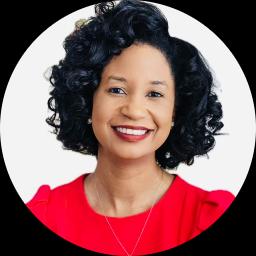
About Brittany
Brittany Bridges is a licensed counselor who focuses on helping people facing anxiety, stress, depression, and major life changes. She offers a calm, caring approach and centers sessions on each person’s goals and pace. Her style is warm and nonjudgmental, making it easier to talk about hard things.
She uses practical methods drawn from client-centered work, cognitive behavioral tools, dialectical behavior ideas, and motivational interviewing. That means sessions often include straightforward skills for managing strong feelings, changing unhelpful thoughts, and finding motivation to try new habits.
Background and approach
Brittany emphasizes small, doable steps that fit daily life. Brittany earned her credentials as an LPC and as a Licensed Clinical Mental Health Counselor, and she has six years of clinical experience.
Her background includes work in a university counseling center and a community mental health clinic, where she supported people with mood concerns, substance use, and stressors related to school and work. She has experience helping people with trauma, grief, panic, postpartum changes, and struggles with self-esteem and body image.
Brittany also supports those dealing with addiction, communication problems, and questions about life purpose. Her work takes cultural concerns into account when it matters to the person in front of her. Sessions are offered in English and are based in North Carolina.
Brittany provides care through a variety of online formats to fit different needs and schedules. She aims to help people build skills and feel more capable when life gets hard.
How therapeutic approaches translate to online sessions
Client-Centered Therapy focuses on listening and reflecting so the person feels heard and understood; it helps when someone needs space to sort out feelings and goals. Cognitive Behavioral Therapy, or CBT, looks at the links between thoughts, feelings, and behaviors and teaches clear tools to reduce anxiety and change unhelpful patterns.Finding the right approach is a collaborative process. The therapist will talk with the client about goals, preferences, and what has or hasn’t worked before. Together they decide which methods to try and adjust the plan as progress is made.
Online sessions are offered as video calls, phone sessions, live chat, or text-based messaging to fit different routines. Video lets people use visual cues and longer conversation. Phone sessions can be easier when bandwidth is limited or a quick check-in is needed. Live chat and text messaging work well for shorter check-ins and when someone prefers writing over speaking. These options make therapy more flexible for work, school, parenting, or travel.
Questions people ask
What kinds of problems does Brittany help with?
What is her general therapy style?
How much clinical experience does she have?
What are her credentials and where is she based?
Which languages are supported and can she see international clients?
What session formats are available?
How does payment work and what does it cost?
How do I begin working with her?
What this therapist works with
Most often
- Stress, Anxiety
- Relationship issues
- Self esteem
Also listed
- Addictions
- ADHD
- Anger management
- Bipolar disorder
- Body image
- Co-morbidity
- Communication problems
- Coping with life changes
- Depression
- Drug and alcohol addiction
- Family conflicts
- Grief
- Life purpose
- Mood disorders
- Multicultural concerns
- Panic disorder and panic attacks
- Post-traumatic stress
- Postpartum depression
- Self-love
- Sexual assault and abuse
- Trauma and abuse
- Women's issues
- Young adult issues
Therapeutic approaches
- Experience
- 6 years
- Licensed
- North Carolina, South Carolina
- Languages
- English
We will earn a commission if you sign up through our link, at no cost to you.