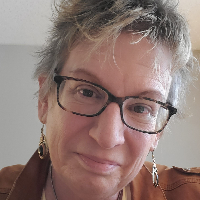
About Barbara
Dr. Barbara Romfo is a licensed psychologist in West Virginia with 34 years of experience. She focuses on helping people who are stressed, anxious, depressed, or dealing with trauma and addiction.
Many come to her when life changes feel overwhelming or when they need help with parenting, relationships, or career concerns. She draws on a mix of practical approaches to match each person's needs. Sessions emphasize clear tools for handling strong emotions, improving day-to-day functioning, and slowing impulsive reactions.
Background and approach
She also works with people facing chronic pain, illness, or disability and those wrestling with questions about life purpose. Dr. Romfo integrates clients' values into the work and respects individual faith when it is part of a person's life.
The therapy room is a place to talk through hard moments, sort priorities, and practice small changes that add up. She uses straightforward techniques and steady support rather than jargon. Over her career she has helped people build coping skills for anger, grief, low self-esteem, and workplace stress.
Sessions often include goal-setting and homework that people can use between meetings. The approach is collaborative - the client and therapist decide what will help most. People who seek Dr.
Romfo tend to want a calm, experienced clinician who balances practical strategies with attention to personal values. Her credential is WV Psychologist 956 and she conducts sessions from West Virginia in English.
Approaches that guide online sessions
Dr. Romfo commonly uses Client-Centered Therapy, Cognitive Behavioral Therapy (CBT), and Dialectical Behavior Therapy (DBT) in her work. Client-Centered Therapy focuses on listening and responding to what matters most to the person, helping them feel heard and understood as they sort their priorities. CBT uses practical steps to spot unhelpful thoughts and change behaviors, which can reduce anxiety and depression over time. DBT emphasizes skills for regulating intense emotions and managing impulsivity, which is useful for anger, self-control, and stress.Choosing the right approach is part of the process. She collaborates with each person to decide which methods match their goals and daily life. The plan can change as needs shift, and sessions include checking in about what is working and what needs adjusting.
Online therapy with video calls, phone sessions, live chat, or text-based messaging makes it easier to fit therapy into a busy life. Video is good for face-to-face conversation and visual cues. Phone sessions work well when bandwidth is limited or for a focused check-in. Live chat and text let people reflect in writing or fit short exchanges around work and family commitments. These options help make regular contact more practical and consistent.
Questions people ask
What concerns does she help with?
How would you describe her therapeutic style?
How much experience does she have?
What credentials and region apply?
In which languages are sessions offered?
What session formats are available?
How does cost and billing work?
How do I begin working with her?
What this therapist works with
Also listed
- ADHD
- Anger management
- Career difficulties
- Chronic pain, illness, and disability
- Codependency
- Coping with life changes
- Depression
- Family conflicts
- Grief
- Impulsivity
- Life purpose
- Parenting issues
- Relationship issues
- Self esteem
- Women's issues
- Workplace issues
Therapeutic approaches
- Experience
- 34 years
- Licensed
- West Virginia
- Languages
- English
We will earn a commission if you sign up through our link, at no cost to you.