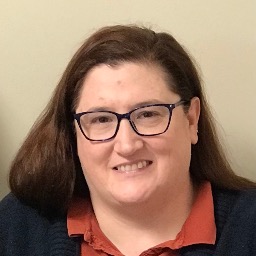
About Angela
Angela Ceglar is a Licensed Professional Counselor (LPC) based in Texas who helps people manage stress, anxiety, depression, and addiction. She focuses on building practical coping skills and stronger self-understanding. The tone in sessions is collaborative and down-to-earth, with clear steps to try between meetings.
Her work centers on helping people find more self-love and better ways to communicate. Angela often supports clients facing life transitions, grief, trauma, and challenges tied to chronic illness.
Background and approach
She also addresses concerns like sleep problems, anger, low self-esteem, and career stress. Angela draws from several established approaches in therapy to fit each person's needs. Sessions commonly include skills practice, problem-solving, and reflection on patterns that keep problems going.
She aims to help people spot small changes that make daily life easier. Many clients work on recovery from process or substance addictions, quitting smoking or vaping, and managing panic or mood disorders. Angela also helps with fertility-related stress, compassion fatigue, and questions about life purpose and midlife shifts.
Her approach is practical and paced to what each person can handle. With 11 years of experience, Angela blends empathy and structure in sessions. She welcomes people who want straightforward tools and steady support while they work toward calmer routines and clearer goals.
Approaches that translate well to online therapy
Client-centered therapy focuses on listening and responding to each person's experience. It aims to create a space where people feel heard and can try out new ways of thinking and acting, which can help with anxiety and life transitions.Cognitive Behavioral Therapy, or CBT, looks at how thoughts, feelings, and behaviors interact. Sessions often include exercises to reframe unhelpful thoughts and build coping skills for panic, mood issues, and stress.
Dialectical Behavior Therapy, DBT, teaches concrete skills like emotion regulation, distress tolerance, and improved communication. These tools are useful for managing intense emotions, anger, and self-destructive patterns.
Deciding which approach fits best is part of the work. The therapist will collaborate with each person to choose methods based on their goals, daily life, and what feels most useful. Sessions can adapt over time as needs change.
Online therapy offers flexibility through video calls, phone sessions, live chat, or text messaging. Video sessions allow face-to-face conversation and skill practice, phone sessions can be useful when a quieter or lower-bandwidth option is needed, and chat or messaging supports brief check-ins or ongoing reflection between meetings. These options help make regular care easier to fit into a busy life.
Questions people ask
What concerns does she address?
What is her general approach in sessions?
How much clinical experience does she have?
What credentials and location apply?
Which languages and international clients are supported?
What session formats are available?
How are costs and billing handled?
How do I begin working with her?
What this therapist works with
Most often
Also listed
- ADHD
- Anger management
- Career difficulties
- Chronic pain, illness, and disability
- Communication problems
- Compassion fatigue
- Coping with life changes
- Drug and alcohol addiction
- Eating and food-related issues
- Fertility issues
- Grief
- Guilt and shame
- Life purpose
- Midlife crisis
- Mood disorders
- Panic disorder and panic attacks
- Process addiction (porn, exercise, gambling)
- Relationship issues
- Self esteem
- Self-love
- Sleeping disorders
- Smoking / vaping cessation
- Trauma and abuse
- Women's issues
Therapeutic approaches
- Experience
- 11 years
- Licensed
- Texas
- Languages
- English
We will earn a commission if you sign up through our link, at no cost to you.