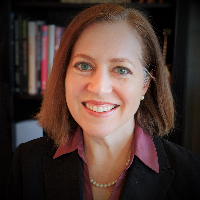
About Amy
Dr. Amy Cuellar helps people who are feeling overwhelmed by anxiety, stress, depression, or big life changes. She is a Texas psychologist with 17 years of experience and a focus on practical steps people can use right away.
She uses straightforward, goal-oriented work to reduce symptoms and support long-term change. Sessions focus on identifying what gets in the way of daily functioning and building skills to handle those roadblocks. She often helps clients set clear, achievable goals and then breaks those goals into small steps.
Background and approach
Her approach is grounded in cognitive behavioral ideas and solution-focused methods. That means clients look at patterns of thought and behavior and try out concrete changes to see what helps. When trauma or past events affect current life, she also draws on trauma-focused work to help people process difficult experiences.
Dr. Cuellar values a team approach. She works together with each client to decide what strategies fit best for their needs and preferences.
She aims to teach skills so people can manage future setbacks on their own. She works in English and Spanish and practices in Texas. Her background includes clinical training and research connected to veterans and mood disorders, and she brings that experience into everyday therapy conversations.
How her approaches translate to online therapy
Dr. Cuellar often uses cognitive behavioral therapy and solution-focused therapy in online sessions. Cognitive behavioral therapy (CBT) focuses on spotting unhelpful thought patterns and testing small behavior changes to reduce anxiety or depression. Solution-focused therapy centers on clear goals and rapid, practical steps to move toward the life someone wants and is useful for adjustment and life transitions.Choosing the best approach is a collaborative process. She will work with each person to decide which methods match their needs, goals, and preferences and can combine elements from different approaches as appropriate. That teamwork helps tailor the pace and tools used during online work.
Online formats include video calls, phone sessions, live chat, and text-based messaging. Video allows face-to-face conversation and screen sharing for worksheets. Phone sessions can be easier when bandwidth is limited or for a quick check-in. Live chat and text messaging are useful for brief updates, homework check-ins, or when a shorter written exchange fits a busy day. These options make it easier to fit therapy into work, caregiving, or travel schedules while keeping the same therapeutic methods.
Questions people ask
What concerns does she often address?
What is her general therapy style?
What kind of experience does she bring?
What credential and location information should I know?
Can sessions be conducted in other languages?
Are therapy sessions offered online or in other formats?
How are sessions billed and what does it cost?
What are the first steps to begin therapy?
What this therapist works with
Most often
- Stress, Anxiety
- Self esteem
- Bipolar disorder
Also listed
- ADHD
- Anger management
- Career difficulties
- Communication problems
- Compassion fatigue
- Coping with life changes
- Depression
- Emptiness
- Immigration issues
- Isolation / loneliness
- Life purpose
- Midlife crisis
- Money and financial issues
- Mood disorders
- Multicultural concerns
- Panic disorder and panic attacks
- Paranoia
- Phobias
- Postpartum depression
- Seasonal Affective Disorder (SAD)
- Sleeping disorders
- Social anxiety and phobia
- Veteran and Armed Forces Issues
- Women's issues
Therapeutic approaches
- Experience
- 17 years
- Licensed
- Texas
- Languages
- English, Spanish
We will earn a commission if you sign up through our link, at no cost to you.