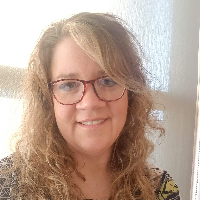
About Amanda
Amanda Gale is a Licensed Clinical Social Worker who focuses on practical support for everyday stress and anxiety. She brings 12 years of clinical experience to conversations about coping, confidence, and problem solving. Amanda speaks plainly and aims to help people build skills they can use right away.
She uses a person-centered, strengths-based approach that treats the client as the expert on their life. Sessions often focus on identifying existing strengths and turning them into tools for coping with relationship strain, grief, work stress, and mood concerns.
Background and approach
Amanda emphasizes short-term, goal-focused work when that fits a person's needs. Typical sessions involve making a simple, choice-based plan together. Amanda describes her role as guide and mentor - helping people practice new skills and track small changes.
She often supports people managing parenting strain, caregiver stress, addiction challenges, and life transitions. Her methods include acceptance and commitment ideas, cognitive behavior techniques, attachment-focused work, and emotion regulation strategies. These approaches are used to reduce anxiety, address self-esteem and body image worries, and improve communication around conflict and separation.
Amanda also offers support for career questions, midlife shifts, and finding purpose after big changes. She frames therapy as collaborative work aimed at building confidence. Practical skill building, brief treatment plans, and ongoing supportive check-ins are central to her practice.
How her therapeutic approaches work online
Acceptance and Commitment Therapy (ACT) helps people notice thoughts and choose actions that align with their values. It is useful for anxiety, stress, and situations where avoidance keeps a person stuck. Cognitive Behavioral Therapy (CBT) focuses on identifying unhelpful thinking and testing new behaviors. It is often used for anxiety, depression, and building practical coping skills.Finding the right approach is part of the work. Amanda collaborates with each person to decide which methods match their goals, needs, and preferences. She helps people try techniques, adjust plans, and choose whether short-term focused therapy or ongoing supportive sessions are best.
Online therapy offers flexibility and practical access to consistent care. Video calls allow full conversation and visual cues, while phone sessions can be easier when bandwidth is limited. Live chat and text-based messaging work well for quick check-ins, brief skill practice, or when someone prefers writing instead of speaking. These options make it easier to fit therapy into a busy life and to keep practicing skills between sessions.
Questions people ask
What concerns does Amanda commonly address?
What is her general therapy style?
How much clinical experience does she have?
What credentials and location are listed?
Which languages are supported and can she work internationally?
What formats are available for sessions?
How does payment and cost work?
What are the steps to begin working together?
What this therapist works with
Most often
- Stress, Anxiety
- Relationship issues
- Grief
Also listed
- Abandonment
- Addictions
- ADHD
- Anger management
- Attachment issues
- Bipolar disorder
- Body image
- Career difficulties
- Caregiver issues and stress
- Chronic pain, illness, and disability
- Coaching
- Codependency
- Communication problems
- Compassion fatigue
- Control issues
- Coping with life changes
- Depression
- Divorce and separation
- Family conflicts
- Forgiveness
- Guilt and shame
- Impulsivity
- Isolation / loneliness
- Life purpose
- Midlife crisis
- Money and financial issues
- Mood disorders
- Narcissism
- Panic disorder and panic attacks
- Parenting issues
- Self esteem
- Self-love
- Social anxiety and phobia
- Workplace issues
Therapeutic approaches
- Experience
- 12 years
- Licensed
- Wyoming, South Dakota
- Languages
- English
We will earn a commission if you sign up through our link, at no cost to you.