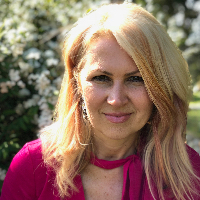
About Alina
Alina Ghitea is a licensed marriage and family therapist (LMFT) who uses practical, relationship-focused approaches to help people manage anxiety and stress. She offers straightforward care that centers on the person, their emotions, and the patterns that shape close connections. Her style is warm and collaborative, aimed at helping clients feel heard and understood.
With six years of clinical experience, she draws on attachment-based ideas to look at how early and current relationships affect feelings and behavior.
Background and approach
She also uses cognitive behavioral techniques to help people spot and change unhelpful thoughts, and emotion-focused work to name and process hard emotions. In sessions she listens closely and helps clients try concrete tools between meetings. She aims to make therapy practical - practicing coping skills, working on communication, and testing new ways of relating.
People bring a range of concerns such as panic, social anxiety, grief, trauma, parenting stresses, and work-related strain. Alina has experience addressing multicultural issues, immigration-related stress, and family of origin patterns. She also supports people dealing with adoption and foster care questions, codependency, and issues around guilt and shame.
Her work includes mood disorders and challenges like bipolar and ADHD when they affect daily life. She provides services from Florida and meets with clients in English. Sessions are offered through video calls, phone, live chat, or text-based messaging, and use a cancellable subscription model for appointments.
Approaches that guide online sessions and what they do
Attachment-based work focuses on how close relationships shape feelings and behavior. It helps people notice patterns that repeat in relationships and try new ways of connecting. Cognitive behavioral therapy (CBT) helps identify and test unhelpful thoughts and build concrete coping strategies for anxiety and panic. Emotion-focused therapy (EFT) helps name and process strong emotions so feelings feel less overwhelming and relationships can improve.Choosing the right approach is part of the process. The therapist will talk with each client about their goals and preferences, and then try methods that match those needs. This is a collaborative process - clients and the therapist adjust strategies together based on what helps most.
Online sessions are offered by video calls, phone, live chat, or text-based messaging to make therapy fit into busy lives. Video works well for face-to-face connection and practicing communication skills. Phone sessions can be useful when bandwidth is limited or when a shorter check-in is needed. Live chat and text messaging let clients check in between sessions or share thoughts without scheduling a full call.
Questions people ask
What types of concerns does she help with?
What is her therapeutic style like?
How much experience does she have?
Where is she licensed and based?
Which languages are supported?
What session formats are available?
How does cost and billing work?
How do I begin working with her?
What this therapist works with
Most often
- Stress, Anxiety
- Relationship issues
- Intimacy-related issues
Also listed
- ADHD
- Adoption and foster care
- Anger management
- Bipolar disorder
- Career difficulties
- Codependency
- Communication problems
- Compassion fatigue
- Coping with life changes
- Depression
- Family conflicts
- Family of origin issues
- Family problems
- Fatherhood issues
- Forgiveness
- Grief
- Guilt and shame
- Immigration issues
- Isolation / loneliness
- Life purpose
- Mood disorders
- Multicultural concerns
- Panic disorder and panic attacks
- Parenting issues
- Self esteem
- Social anxiety and phobia
- Trauma and abuse
- Women's issues
- Young adult issues
Therapeutic approaches
- Experience
- 6 years
- Licensed
- Florida
- Languages
- English
We will earn a commission if you sign up through our link, at no cost to you.