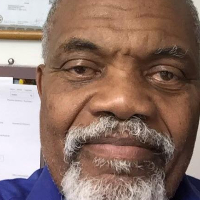
About Washington
Washington Cisco is a licensed clinical social worker with 39 years of experience who helps people manage stress, anxiety, depression, grief, sleep problems, and relationship concerns. He works in Illinois and speaks English. He meets people where they are and focuses on practical steps to make daily life more manageable.
He follows a caring, nonjudgmental style. He believes people know their lives best and aims to listen first. Sessions focus on what the person wants to change and how to make small, realistic adjustments.
Background and approach
His work began in 1986 with children and youth and later expanded to adults in outpatient settings. Since 2013 he has returned to serving both children and adults, and he currently works with adults in the prison system. This long experience informs a steady, calm approach in therapy.
Cognitive Behavioral Therapy is used to help people notice and change unhelpful thinking and behavior patterns that worsen anxiety or depression. Mindfulness techniques are introduced to help with sleeplessness, stress, and grounding during strong emotions. Solution-focused methods help people set short-term goals and track progress between sessions.
Washington aims to support each person’s self-direction. He avoids telling people what to do and instead helps them discover what works for their life. That practical, listening-first approach guides how he plans therapy and sets goals together.
Practical approaches for online care
Washington uses Cognitive Behavioral Therapy to help people identify unhelpful thoughts and change behaviors that increase anxiety or depression. CBT breaks problems into manageable pieces so a person can try new responses and track small improvements. He also uses Client-Centered Therapy which focuses on listening, respect, and the person’s own goals; this approach helps people feel heard and decide what changes matter most.Finding the right approach is a team effort. Washington works with each person to decide which methods fit their goals and preferences. He adjusts techniques over time based on what is helpful and what feels doable for the individual.
Online sessions offer flexibility and different ways to connect. Video calls support face-to-face conversation and visual cues. Phone sessions can be easier when bandwidth is limited or for shorter check-ins. Live chat and text-based messaging allow ongoing contact between sessions and can fit into busy days or moments when writing feels easier than speaking. These options make it simpler to keep therapy consistent while balancing other responsibilities.
Questions people ask
What concerns does Washington help with?
What is his therapeutic style like?
How much experience does he have?
What are his credentials and location?
Which languages are available for sessions?
What session formats are offered?
How does pricing work?
How do I begin therapy with him?
What this therapist works with
Most often
- Stress, Anxiety
- Relationship issues
- Grief
Also listed
- Abandonment
- Antisocial personality
- Attachment issues
- Blended family issues
- Caregiver issues and stress
- Chronic pain, illness, and disability
- Communication problems
- Control issues
- Depression
- Divorce and separation
- Forgiveness
- Guilt and shame
- Impulsivity
- Isolation / loneliness
- Life purpose
- Money and financial issues
- Mood disorders
- Narcissism
- Panic disorder and panic attacks
- Post-traumatic stress
- Self-love
- Sleeping disorders
- Social anxiety and phobia
- Workplace issues
Therapeutic approaches
- Experience
- 39 years
- Licensed
- Illinois
- Languages
- English
We will earn a commission if you sign up through our link, at no cost to you.