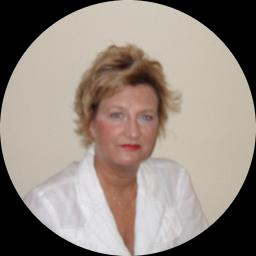
About Wanda
Dr. Wanda Woodward is a licensed professional counselor with 18 years of clinical experience in Tennessee. She holds a doctorate in psychology and a master’s degree in counseling and works with adults facing anxiety, stress, depression, trauma, and relationship concerns.
She sees the whole person and brings both clinical knowledge and life experience to sessions. Her style is client-centered with psychodynamic and Jungian influences. She pays attention to how early attachment and unconscious patterns shape current behavior.
Background and approach
Conversations often look at how past wounds show up in relationships and daily stress. Dr. Woodward also draws on broader philosophy and spiritual themes when helpful.
That perspective can support people who are asking questions about meaning, life purpose, or a sense of self beyond symptoms. She has written about the transcendent psyche and integrates those ideas when they fit a clients goals. She has substantial workplace knowledge from prior human resources roles.
That background helps when sessions focus on career stress, workplace dynamics, or managing high-pressure environments. Practically, sessions use a collaborative approach. Clients set goals and she helps remove obstacles to reach them.
The aim is clearer insight, better coping skills, and healthier relationships.
Therapeutic approaches suited for online work
Dr. Woodward blends client-centered care with psychodynamic and attachment-based ideas. Client-centered work focuses on listening closely and following the client's lead to help them feel understood and to clarify goals. Psychodynamic elements look at patterns that come from early life and how those patterns affect current relationships and moods.Attachment-based techniques examine how bonds with important people shape reactions to stress and intimacy. This approach helps when people notice repeated hurts, fear of abandonment, or difficulty trusting others. In online sessions these conversations can still be deep and reflective while moving at a pace the client chooses.
Choosing a method is a joint effort. The therapist will work with each person to decide which approaches fit their needs, goals, and preferences. She encourages clients to give feedback so the plan can shift as insight and skills develop.
Online formats include video calls, phone sessions, live chat, and text-based messaging. Video is useful for richer dialogue and visual cues, phone works when bandwidth is limited, live chat allows quicker check-ins, and messaging supports ongoing reflection between sessions. These options offer flexibility to fit work schedules, caregiving demands, and different comfort levels with being on camera.
Questions people ask
What concerns does this therapist commonly address?
What approach does she use in sessions?
How much clinical experience does she have?
What are her credentials and where is she located?
Can I work with her if I live outside the United States?
Which session formats does she offer online?
How are fees handled for sessions?
What are the first steps to begin working with her?
What this therapist works with
Most often
- Stress, Anxiety
- Relationship issues
- Trauma and abuse
Also listed
- Abandonment
- ADHD
- Attachment issues
- Bipolar disorder
- Career difficulties
- Communication problems
- Control issues
- Coping with life changes
- Depression
- Divorce and separation
- Family conflicts
- Forgiveness
- Grief
- Guilt and shame
- Intimacy-related issues
- Isolation / loneliness
- Life purpose
- Mood disorders
- Narcissism
- Post-traumatic stress
- Self-love
- Social anxiety and phobia
- Women's issues
- Workplace issues
Therapeutic approaches
- Experience
- 18 years
- Licensed
- Tennessee
- Languages
- English
We will earn a commission if you sign up through our link, at no cost to you.