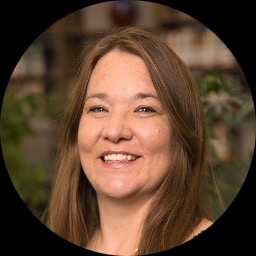
About Virginia
Virginia Creekmore is a Licensed Professional Counselor (LPC) practicing in Oklahoma. She focuses on helping people who feel overwhelmed by stress, anxiety, low self-esteem, depression, anger, or parenting strain. Her style is steady and collaborative, aimed at practical steps people can use each day.
She listens for patterns that keep a person stuck, then works with them to build new coping skills. Sessions often include clear strategies for managing strong emotions and improving communication.
Background and approach
Virginia emphasizes small, doable changes that add up over time. Many people come to her feeling isolated or unsure how to move forward after relationship wounds, attachment struggles, or difficult life transitions. She helps people name those patterns and try different ways of responding.
The work also covers issues like body image, codependency, and problems with control or impulsivity. Her approach is trauma-aware and aimed at strengthening resilience and self-understanding. Virginia supports clients in processing guilt, shame, abandonment concerns, and feelings of emptiness.
She also helps people explore life purpose and rebuild connection after infidelity or isolation. With eight years of clinical experience, Virginia blends practical tools with a collaborative tone. She encourages clients to take the pacing they need and to practice skills between sessions.
The result is focused work toward clearer goals and more manageable daily routines.
Approaches that translate well to online therapy
Virginia uses evidence-based therapeutic techniques that focus on concrete skills and emotional processing. One common approach emphasizes building coping skills for anxiety and stress, teaching breathing, grounding, and problem-solving strategies that people can practice between sessions. This approach helps when worry or strong emotions get in the way of daily life.Another central approach centers on attachment and relationship patterns, helping people recognize how past relationships shape current reactions. Sessions include exercises to improve communication and set healthier boundaries, useful for issues like codependency, loneliness, or trust wounds.
Finding the right approach is a collaborative process. The therapist will talk with each person about goals, preferences, and what has or hasn't helped before. Together they adapt techniques to fit the client's needs and pace, checking in as progress unfolds.
Online therapy offers practical flexibility. Video calls let the therapist and client work face to face when a deeper exchange is helpful. Phone sessions and live chat are useful when bandwidth is limited or a shorter check-in is needed. Text-based messaging supports ongoing reflection and brief updates between sessions. These options make it easier to fit therapy into a busy life while keeping work focused and consistent.
Questions people ask
What concerns does Virginia commonly address?
What is her therapeutic style like?
How much clinical experience does she have?
What credentials and location apply to this therapist?
Which languages are supported for sessions?
What session formats are offered?
How are fees and subscriptions handled?
How do I begin working with her?
What this therapist works with
Most often
- Stress, Anxiety
- Parenting issues
- Anger management
Also listed
- Abandonment
- Attachment issues
- Avoidant personality
- Body image
- Codependency
- Communication problems
- Control issues
- Dependent personality
- Depression
- Emptiness
- Forgiveness
- Guilt and shame
- Impulsivity
- Infidelity
- Isolation / loneliness
- Life purpose
- Money and financial issues
- Panic disorder and panic attacks
- Post-traumatic stress
- Self esteem
- Self-harm
- Self-love
- Social anxiety and phobia
- Women's issues
- Workplace issues
- Experience
- 8 years
- Licensed
- Oklahoma
- Languages
- English
We will earn a commission if you sign up through our link, at no cost to you.