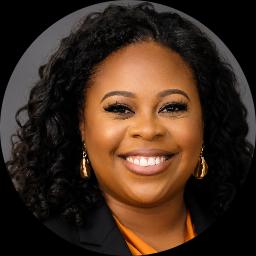
About Vanencia
Dr. Vanencia Lynch helps people who are feeling overwhelmed by stress, anxiety, grief, low self‑esteem, depression, or the challenges of ADHD. She is a Licensed Professional Counselor - LPC with eight years of clinical experience in Texas.
Her approach is warm and straightforward, focused on practical steps people can use between sessions. She listens first and asks plain questions to get a clear picture of what feels hard right now.
Background and approach
Sessions emphasize cooperation - the therapist and client set goals together and check progress often. Practical tools from cognitive behavioral methods are mixed with conversations that honor feelings and personal stories. Dr.
Lynch uses Client‑Centered Therapy to make space for each person’s perspective. She also draws on Cognitive Behavioral Therapy to help people notice and change unhelpful thinking patterns. Emotionally‑Focused ideas guide work on connection, attachment, and strong feelings.
Her background includes supporting people through relationship shifts, grief, midlife questions, and identity concerns. She addresses issues like abandonment, communication problems, codependency, and the strain of divorce or blended family dynamics. She also works with worries tied to coping after disasters and disruptive mood concerns such as DMDD.
Sessions move at a client’s pace and focus on building skills that fit daily life. Dr. Lynch aims to help people reduce symptoms, strengthen coping, and find clearer direction.
She offers sessions in English and practices from Texas.
Approaches that translate to online care
Client‑Centered Therapy focuses on listening and building a trusting connection so people feel heard and understood; it helps when someone needs acceptance and a calm space to talk through difficult emotions. Cognitive Behavioral Therapy teaches practical ways to spot and change unhelpful thoughts and behaviors, which can reduce anxiety and improve daily functioning. Emotionally‑Focused Therapy looks at patterns of strong emotions and attachment so people can work through hurts and improve important relationships.Choosing the right approach is collaborative. The therapist will talk with each person about goals, preferences, and what has or hasn’t worked before. Together they try strategies and adjust the plan based on progress and comfort with the methods.
Online sessions are offered as video calls, phone sessions, live chat, or text‑based messaging to make care more accessible. Video calls let the therapist and client work face to face from different locations. Phone sessions can be useful when bandwidth is limited or when someone prefers not to be on camera. Live chat and messaging provide shorter check‑ins or ongoing support between longer sessions. These options help people fit therapy into busy schedules and different routines.
Questions people ask
What kinds of problems does she address?
What is her style of therapy?
How much clinical experience does she have?
What are her credentials and location?
Which languages are supported for sessions?
What session formats are available?
How does payment and cost work?
How do I begin working with her?
What this therapist works with
Most often
Also listed
- Abandonment
- ADHD
- Attachment issues
- Blended family issues
- Codependency
- Communication problems
- Control issues
- Coping with natural or human-caused disaster
- Depression
- Disruptive Mood Dysregulation Disorder (DMDD)
- Divorce and separation
- Family problems
- Guilt and shame
- Impulsivity
- Life purpose
- Men's issues
- Midlife crisis
- Mood disorders
- Multicultural concerns
- Panic disorder and panic attacks
- Prejudice and discrimination
- Seasonal Affective Disorder (SAD)
- Self-love
- Women's issues
- Workplace issues
- Young adult issues
Therapeutic approaches
- Experience
- 8 years
- Licensed
- Texas
- Languages
- English
We will earn a commission if you sign up through our link, at no cost to you.