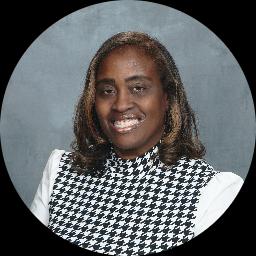
About Tunisia
Tunisia Lumpford is a licensed clinical social worker who helps people facing stress and anxiety. She practices from North Carolina and brings six years of focused clinical experience to her work. Tunisia listens and helps people put words to their story.
She focuses on practical steps that help people feel steadier in daily life. Her approach is straightforward and person-centered. She uses Cognitive Behavioral Therapy to help people notice unhelpful thoughts and adjust behaviors.
Background and approach
Solution-Focused Therapy is used to set clear, short-term goals and build on strengths. Tunisia has worked with adults dealing with trauma, depression, and family conflict. She also has experience supporting people through workplace or school stress, bullying, low self-esteem, and grief.
Her background includes a Bachelor’s degree from Georgia State University and a Master of Social Work from Clark Atlanta University. In sessions she aims to help clients regain balance and move toward thriving. Conversations focus on practical actions, new perspectives, and small changes that fit each person’s life.
Tunisia stays with clients through planning and follow-through so progress can feel real and manageable. People who prefer a collaborative, down-to-earth style may find a good fit. She offers sessions using several online formats and works in English.
Approaches and how they work online
Client-Centered Therapy focuses on listening and understanding each person's experience. The therapist creates a space where clients lead the conversation and identify what matters most to them. This approach helps when someone needs a supportive listener to sort out feelings and priorities.Cognitive Behavioral Therapy, or CBT, looks at the link between thoughts, feelings, and actions. It helps people spot unhelpful thinking patterns and try small, practical changes. CBT is often used for anxiety, depression, stress, and mood challenges.
Solution-Focused Therapy emphasizes quick, concrete goals and the small steps that move a person forward. It suits people who want focused sessions with measurable progress and action plans.
Choosing the right approach is a shared process. The therapist will talk with each client about their needs, goals, and what feels most helpful. Together they decide which methods to use and adjust the plan as progress is made.
Online therapy offers flexible ways to meet. Video calls allow near face-to-face conversations and deeper interaction. Phone sessions can fit into a work break or require less bandwidth. Live chat and text-based messaging make brief check-ins and ongoing support easier between sessions. These options make therapy more convenient for many schedules and life situations.
Questions people ask
What concerns does this therapist address?
How would you describe the therapy style?
What is her professional background?
Where is the therapist licensed and based?
Can sessions be held in languages other than English?
What formats are used for sessions?
How are costs and billing handled?
How do I begin working with this therapist?
What this therapist works with
Most often
- Stress, Anxiety
- Family conflicts
- Trauma and abuse
Also listed
- Abandonment
- Addictions
- ADHD
- Anger management
- Bipolar disorder
- Career difficulties
- Coping with life changes
- Depression
- Grief
- Life purpose
- Money and financial issues
- Parenting issues
- Relationship issues
- Self esteem
- Self-love
- Women's issues
Therapeutic approaches
- Experience
- 6 years
- Licensed
- North Carolina, Georgia, South Carolina, District of Columbia
- Languages
- English
We will earn a commission if you sign up through our link, at no cost to you.