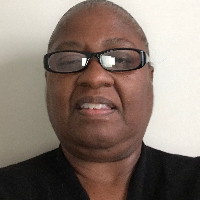
About Trina
Trina McDonald is a licensed professional counselor who combines a client-centered style with practical, skills-based methods. She brings ten years of counseling experience and focuses on helping people manage stress and anxiety. Trina also supports people facing addiction, grief, depression, and relationship or family concerns.
Her work aims to build on each person's strengths. Sessions focus on concrete steps clients can try between meetings. Trina uses Cognitive Behavioral Therapy alongside person-centered listening to identify thinking patterns and change unhelpful behaviors.
Background and approach
She draws on motivational interviewing to help people strengthen their own reasons for change. Narrative techniques are used to reframe personal stories and reduce shame or guilt. These approaches are blended to match what the individual needs in the moment.
Trina mentions spirituality and Christian belief as part of her framework when clients say that faith matters to them. She helps people connect those beliefs to hope, forgiveness, and self-worth when appropriate. The goal is steady progress in emotional, social, and everyday functioning.
Trina is licensed in Arizona and Nevada as an LPC and LCPC and practices from North Carolina. Sessions are offered in English and she is open to working with international clients through online formats. Her background includes work across settings such as independent practice and programs for people with substance use concerns.
Approaches that guide online sessions
Trina blends client-centered care with Cognitive Behavioral Therapy in online sessions. Client-Centered Therapy focuses on listening closely, reflecting what matters to the person, and building on their strengths to set goals. Cognitive Behavioral Therapy helps people identify unhelpful thoughts and try small behavioral changes to reduce anxiety and improve mood.She also uses Motivational Interviewing to help people strengthen their own reasons for change. That approach is often useful when someone is unsure or feels stuck and wants to boost motivation in a gentle way. Together these methods give both understanding and practical steps to try between sessions.
Finding the right approach is part of the work. The therapist and client collaborate to choose methods that match current needs, goals, and preferences. That plan can shift over time as progress is made or new challenges appear.
Online formats include video calls, phone sessions, live chat, and text-based messaging. Video calls allow face-to-face conversation and visual cues. Phone sessions can fit into a work break or when bandwidth is limited. Live chat or messaging is useful for brief check-ins, mood tracking, or when writing feels easier than talking. These options make it easier to fit therapy into a busy life and stay consistent with sessions.
Questions people ask
What issues does she commonly help with?
What is her therapeutic style like?
How much experience does she have?
What credentials and location are listed?
Are sessions available in other languages or internationally?
What session formats are offered?
How are sessions paid for and what do they cost?
How do I begin working with her?
What this therapist works with
Most often
Also listed
- Anger management
- Bipolar disorder
- Caregiver issues and stress
- Communication problems
- Coping with life changes
- Depression
- Family conflicts
- Family problems
- Forgiveness
- Guilt and shame
- HIV / AIDS
- Intimacy-related issues
- Relationship issues
- Self esteem
- Self-love
- Trauma and abuse
- Women's issues
Therapeutic approaches
- Experience
- 10 years
- Licensed
- North Carolina, New Jersey, Alaska, Washington, Florida, Arizona, Nevada, Oregon
- Languages
- English
We will earn a commission if you sign up through our link, at no cost to you.