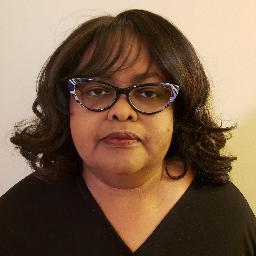
About Tracey
Tracey Boubacar is a licensed clinical social worker with ten years of experience helping people who feel stuck, overwhelmed, or anxious. She practices in North Carolina and focuses on practical steps people can take to feel steadier. Her approach is warm and direct and she aims to make therapy understandable and useful from the first visit.
Tracey helps people manage depression, anxiety, stress, and problems with self-esteem. She works with concerns around relationships, parenting strain, anger, and addictions.
Background and approach
She also supports people facing life changes, career questions, or compassion fatigue. Her work includes attention to cultural experiences and to the needs of veterans and people affected by prejudice or discrimination. She listens for how identity and past experiences shape current struggles and uses that context when planning next steps.
Infidelity and jealousy are treated with clear communication skills and coping strategies. In sessions she draws on a few practical methods to change unhelpful patterns and build new habits. Tracey teaches skills for managing intense emotions, changing thoughts that fuel anxiety, and clarifying values to guide choices.
She combines those techniques with a respectful, client-centered stance. People can expect straightforward goals and homework that fit into busy lives. Tracey frames therapy as a collaborative process - she helps clients try ideas, notice what works, and adjust the plan over time.
The focus is on usable tools that reduce anxiety and improve daily functioning.
How online approaches shape care for anxiety and relationships
Acceptance and Commitment Therapy, or ACT, helps people notice their values and take small steps toward them despite uncomfortable thoughts or feelings. It is useful when anxiety or avoidance stops someone from doing what matters. Cognitive Behavioral Therapy, or CBT, focuses on identifying and shifting unhelpful thoughts and behaviors. It is often used for anxiety, depression, and stress because it teaches concrete techniques to change daily patterns.Finding the right approach is part of the work. The therapist will listen to current problems, goals, and preferences and then suggest which methods to try first. That decision is collaborative and can be adjusted as therapy progresses to match what helps the client most.
Online sessions are offered by video calls, phone sessions, live chat, and text-based messaging to add flexibility. Video calls let people work face to face from different locations. Phone sessions are handy when bandwidth is limited or a shorter check-in is needed. Live chat and text messaging support brief updates, coaching-style guidance, or ongoing reflection between longer sessions. These options make it easier to fit therapy into a busy life while using the approaches described above.
Questions people ask
What kinds of concerns does Tracey address?
How would you describe her therapy style?
How much clinical experience does she have?
Where is she licensed and based?
Can I work with her if I live outside the United States?
What session formats are offered?
How are fees and payment handled?
What do I do to begin therapy?
What this therapist works with
Most often
- Relationship issues
- Parenting issues
- Anger management
Also listed
Therapeutic approaches
- Experience
- 10 years
- Licensed
- North Carolina
- Languages
- English
We will earn a commission if you sign up through our link, at no cost to you.