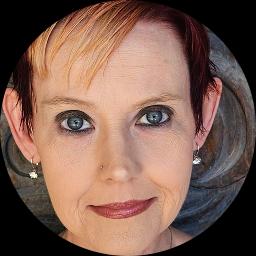
About Tonya
Tonya Boyett-Etheridge is a Licensed Clinical Social Worker (LCSW) practicing in Texas. She has ten years of experience helping people navigate stress, anxiety, depression, grief, trauma, and addiction. Tonya blends clinical approaches with a values-based perspective to meet people where they are.
She keeps sessions focused on what matters most to each person. Tonya listens first, then helps set small, concrete goals that fit daily life. She uses clear tools from cognitive behavioral therapy to change unhelpful thinking and from emotionally-focused work to deepen how people understand and respond to strong feelings.
Background and approach
Tonya also draws on client-centered and existential ideas to support people as they consider meaning, values, and next steps. That combination aims to help with guilt, shame, communication problems, and rebuilding trust after trauma. She offers practical skills alongside time to process grief and loss.
People who prefer a faith-informed perspective can say so, and that can be part of sessions when it fits their needs. Tonya will also work respectfully with people who do not share the same faith. Her style is warm, direct, and collaborative.
She helps people build resilience through steady, realistic changes rather than quick fixes. Therapy starts with understanding the current problem and the client's goals, then moves to small, doable steps. Sessions are tailored to each person’s pace and life circumstances.
Therapeutic approaches that translate to online sessions
Client-Centered Therapy focuses on the person’s own experience and goals. The therapist listens closely, reflects what she hears, and helps people make their own choices about change. This approach helps when someone needs space to be heard and to clarify priorities.Cognitive Behavioral Therapy, or CBT, gives practical steps to change unhelpful thoughts and behaviors. It often includes simple exercises people can try between sessions to reduce anxiety and lift mood.
Tonya will work with each person to find which approach, or mix of approaches, fits best. Figuring that out is a team effort that takes the client’s needs, goals, and preferences into account, and adjustments are made as progress and feedback guide the work.
Online formats make it easier to fit therapy into a busy life. Video calls allow face-to-face conversation, phone sessions are useful when bandwidth or being on camera is difficult, live chat can be a shorter check-in, and text-based messaging supports ongoing reflection between sessions. These options help people keep therapy consistent while balancing work, family, or other commitments.
Questions people ask
What concerns does this therapist help with?
How would you describe the therapy style here?
What kind of background does the therapist have?
What credentials and location are listed for this therapist?
Which languages are supported and can international clients be seen?
What session formats are available?
How are fees and billing handled?
How do I begin working with this therapist?
What this therapist works with
Also listed
Therapeutic approaches
- Experience
- 10 years
- Licensed
- Texas
- Languages
- English
We will earn a commission if you sign up through our link, at no cost to you.