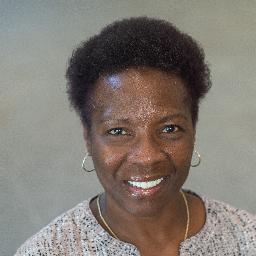
About Tesia
Tesia Wells is a licensed marriage and family therapist (LMFT) who draws on 15 years of clinical experience. She focuses on anxiety alongside relationship stress, grief, parenting pressures, and other everyday struggles. Her manner is calm and straightforward, aiming to help people find workable steps forward.
In sessions she listens first and asks practical questions to understand what feels hardest. She uses tools from cognitive behavioral therapy to spot and change unhelpful thinking and from client-centered work to make sure the conversation follows the person's needs.
Background and approach
Tesia also brings ideas from narrative and psychodynamic approaches to help people see patterns and the stories they tell about themselves. She often helps clients rebuild confidence, cope with change, and manage stress so daily life feels more manageable. That can include short skills practice, talking through painful events, or reworking how someone thinks about a problem.
Tesia tailors each plan to a person’s goals and pace. People can expect direct but respectful feedback and a focus on small, practical steps between sessions. Her background includes many years in outpatient care and work with a wide range of concerns from addictions and trauma to body image and money worries.
Tesia practices from New York and offers sessions in English. She supports people with multicultural and veteran-related concerns and welcomes international clients for online work.
Therapeutic approaches for online anxiety and life stress
Client-centered therapy focuses on following the person's needs and building a strong working relationship. The therapist listens, reflects, and helps the client set goals so sessions stay relevant and collaborative.Cognitive behavioral therapy, or CBT, looks at how thoughts, feelings, and behaviors connect. It uses practical exercises and small behavior changes to reduce anxiety and manage mood and sleep problems.
Finding the right approach is a team effort. The therapist will discuss the options, try techniques, and adjust based on the client's goals and preferences so therapy feels useful and doable.
Online sessions are offered as video calls, phone sessions, live chat, or text-based messaging. Video calls allow face-to-face conversation for deeper work. Phone sessions can be a good option when bandwidth is limited or a shorter check-in is needed. Live chat and text-based messaging can fit into busy days and let someone check in between longer sessions. These options make therapy more flexible and easier to fit into a weekly routine, travel schedule, or shift work.
Questions people ask
What concerns does she address?
What is her therapeutic style like?
How much experience does she have?
What are her credentials and location?
Can people who live outside the United States work with her?
Which session formats are available?
How does cost work?
How do I begin therapy with her?
What this therapist works with
Most often
- Relationship issues
- Family conflicts
- Grief
Also listed
- Addictions
- Anger management
- Body image
- Coaching
- Coping with life changes
- Depression
- Eating disorders
- Family of origin issues
- Family problems
- Fatherhood issues
- Intimacy-related issues
- LGBT
- Money and financial issues
- Multicultural concerns
- Parenting issues
- Self esteem
- Sexual assault and abuse
- Sleeping disorders
- Stress, Anxiety
- Trauma and abuse
- Veteran and Armed Forces Issues
Therapeutic approaches
- Experience
- 15 years
- Licensed
- New York
- Languages
- English
We will earn a commission if you sign up through our link, at no cost to you.