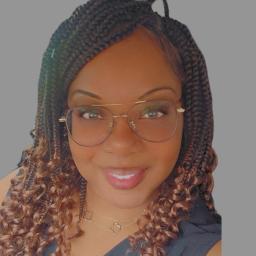
About Tawanda
Dr. Tawanda Kitchen helps people manage stress and anxiety and cope with major life changes. She also supports people dealing with trauma and abuse, self-esteem struggles, and family-related concerns.
Her approach is practical and steady, aimed at everyday life improvements. She holds a Doctorate in Educational Leadership & Management and a Master’s in Counseling. Dr.
Kitchen also has a Bachelor’s degree in Communications. Those studies inform how she listens, asks clear questions, and helps people make plans they can follow.
Background and approach
Sessions focus on building emotional awareness and everyday coping skills. She uses evidence-based therapeutic techniques and adapts them to each person’s needs. Conversations are usually centered on what is happening now and what steps can help move things forward.
Her background includes work across several states, including California, Illinois, Louisiana, and Texas. That experience brought exposure to a range of life circumstances and stressors. Clients who have faced childhood adversity, transitions in education, or caregiving strain often seek her support.
Dr. Kitchen pays attention to relationships and how they shape feelings and behavior. She helps people with communication problems, attachment issues, and challenges like guilt, forgiveness, and isolation.
The goal is clearer thinking and more usable tools for daily life. People who want practical guidance for handling worry, improving self-love, or navigating separation and divorce may find her style useful. She aims to walk alongside clients as they try new ways of coping and making changes.
Evidence-based approaches and online care
Dr. Kitchen draws on evidence-based therapeutic techniques that focus on building emotional awareness and practical coping skills. One common approach she uses helps people recognize and name their feelings, learn simple strategies to reduce stress, and try small behavioral changes that ease daily anxiety. Another approach emphasizes processing traumatic experiences in a paced way so that memories and reactions feel less overwhelming and more manageable.Choosing the right technique is part of the work together. She will discuss goals, preferences, and what has or hasn’t helped before, then adapt methods to fit each person. That collaborative process helps match a clear plan to the client’s needs rather than applying a single method to everyone.
Online therapy offers flexible ways to connect, including video calls, phone sessions, live chat, and text-based messaging. Video sessions allow face-to-face interaction for in-depth conversations. Phone sessions use less bandwidth and can fit into a work break. Live chat or text messaging are useful for quick check-ins, brief problem-solving, or when writing feels easier than speaking. These options make it simpler to keep therapy consistent while fitting into busy lives.
Questions people ask
What concerns does she help with?
What is her therapeutic approach like?
How much clinical experience does she have?
What are her credentials and where is she located?
Which languages are sessions offered in?
What formats are available for sessions?
How is pricing handled?
How do I begin working with her?
What this therapist works with
Most often
- Stress, Anxiety
- Family conflicts
- Trauma and abuse
Also listed
- Experience
- 6 years
- Licensed
- Texas
- Languages
- English
We will earn a commission if you sign up through our link, at no cost to you.