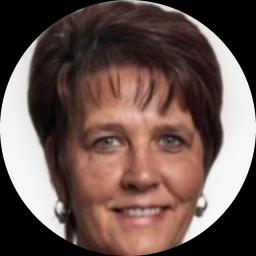
About Tanya
Tanya Lance is a Licensed Clinical Mental Health Counselor (LCMHC) practicing in North Carolina. She brings 20 years of experience and a compassionate, person-first style to conversations about worry, stress, and life changes. Tanya uses a holistic view that considers mind, body, and spirit.
She focuses on helping people move past anxiety, stress, anger, low self-esteem, depression, and compassion fatigue. Sessions aim to help clients notice strengths and build small, practical steps toward change.
Background and approach
Her approach centers on the client’s perspective. Tanya treats each person as the expert on their own life and works alongside them. She helps people untangle communication problems, shame and guilt, and questions about life purpose and self-love.
She draws on a mix of methods such as cognitive behavioral ideas, mindfulness, solution-focused tools, and techniques to improve emotional regulation. In plain terms, that means identifying unhelpful thoughts, practicing new coping skills, and trying short, doable steps between sessions. Tanya encourages people to take small risks and test new behaviors rather than waiting for certainty.
She supports the practical work of rebuilding confidence and resolving social anxiety or phobia symptoms. Her style is steady, respectful, and focused on what people can do right now.
Approaches that translate well to online therapy
Client-centered work places the person’s goals at the center and focuses conversations on the client’s immediate needs and values; online sessions let clients bring current life examples straight into sessions for practical problem solving. Cognitive behavioral therapy (CBT) focuses on identifying unhelpful thoughts and trying new behaviors; it works well online because thought records, behavioral experiments, and homework can be shared and reviewed between sessions. Dialectical behavior therapy (DBT) teaches concrete skills for handling strong emotions and improving relationships; those skills can be practiced in short exercises over text or reviewed during video calls to build consistency.Finding the right approach is part of the work. The therapist will collaborate with each person to choose methods that match their goals, needs, and comfort with different formats. That choice is revisited as therapy progresses so techniques can be adjusted if something isn’t working.
Online formats include video calls, phone sessions, live chat, and text-based messaging, offering flexibility for different schedules and situations. Video calls are useful for face-to-face conversation and demonstrations of skills. Phone sessions can be a simpler option when bandwidth is limited or a shorter check-in is needed. Live chat and text messaging allow brief check-ins, written practice of skills, and ongoing support between longer sessions. These options help make it easier to fit therapy into a busy life.
Questions people ask
What concerns does Tanya commonly address?
What is her therapy style like?
How much experience does she have?
What credentials and region are listed?
Which languages are sessions offered in?
What session formats are available?
How is cost handled for sessions?
How do I begin working with her?
What this therapist works with
Most often
- Stress, Anxiety
- Anger management
- Self esteem
Also listed
Therapeutic approaches
- Experience
- 20 years
- Licensed
- North Carolina
- Languages
- English
We will earn a commission if you sign up through our link, at no cost to you.