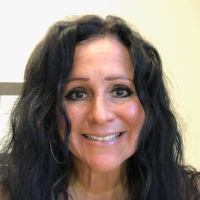
About Stephanie
Stephanie Safos-Moriarty is a Licensed Mental Health Counselor (LMHC) with 11 years of experience. She focuses on helping people manage stress and anxiety and other life challenges. Her tone is direct and practical, aimed at people who want clear next steps.
She uses cognitive behavioral techniques to help people spot unhelpful thoughts and change patterns that keep problems going. She also draws on dialectical behavior methods to teach emotion regulation and coping skills for intense moments.
Background and approach
Motivational interviewing and solution-focused strategies are used to set realistic goals and build on small successes. In sessions she listens for what matters most to each person and then shapes short-term plans around that. People can expect to work on specific skills, practice new responses, and set achievable steps between meetings.
The work is collaborative and paced to what feels manageable. Her background includes work with trauma, substance issues, relationship and parenting concerns, grief, eating and sleeping problems, ADHD, and compassion fatigue. Stephanie has experience with LGBTQ clients and with people facing life changes such as career shifts or bipolar mood challenges.
She offers multiple session formats so people can choose what fits their routine. New clients begin by completing a short questionnaire and then scheduling with the therapist according to availability.
Online approaches that teach coping and change
Stephanie commonly uses cognitive behavioral therapy and dialectical behavior therapy in online work. Cognitive behavioral therapy helps people identify patterns of thinking that increase anxiety and then practice new ways of thinking and behaving to reduce symptoms and improve daily routines. Dialectical behavior therapy focuses on practical emotion regulation, distress tolerance, and interpersonal skills to manage intense feelings and reduce reactivity.Choosing the right approach is part of the work. The therapist will collaborate with each person to match methods to their goals and preferences, adjusting pacing and techniques as progress is made. Sessions typically include goal setting, skills practice, and homework that supports steady change.
Online sessions are offered by video call, phone, live chat, or text-based messaging to increase flexibility. Video is useful for teaching and practicing skills face to face, phone works when bandwidth is limited or a shorter check-in is needed, live chat supports faster problem solving, and text messaging can keep momentum between sessions. These options make it easier to fit therapy into a busy life while focusing on practical coping and measurable steps.
Questions people ask
What kinds of concerns does this therapist address?
How would you describe her therapy style?
What is her experience with clients?
Where is she licensed and based?
Which languages are sessions offered in?
Can people outside the United States work with her?
What session formats are available?
How are fees and starting steps handled?
What this therapist works with
Most often
- Stress, Anxiety
- Addictions
- Relationship issues
Also listed
- ADHD
- Anger management
- Bipolar disorder
- Career difficulties
- Coaching
- Compassion fatigue
- Coping with life changes
- Depression
- Eating disorders
- Family conflicts
- Grief
- Intimacy-related issues
- LGBT
- Parenting issues
- Self esteem
- Sleeping disorders
- Trauma and abuse
Therapeutic approaches
- Experience
- 11 years
- Licensed
- Florida
- Languages
- English
We will earn a commission if you sign up through our link, at no cost to you.