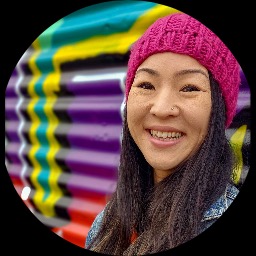
About Shoko
Shoko Kasanami is an AASW social worker who draws on four years of practice to help people facing anxiety, stress and low mood. She combines her personal experience with professional training to offer calm, practical support. Shoko speaks English and Japanese and aims to put people at ease from the first session.
Shoko trained in social work after moving from Canada and completing a Master of Social Work. Her professional background includes work with child protection and with an organisation focused on offender rehabilitation.
Background and approach
Those roles gave her experience with complex life situations and practical problem solving. In sessions she uses clear, goal-oriented methods. Conversations focus on what is happening now and what can help make small changes.
She uses techniques from cognitive behavioural therapy, narrative therapy and solution-focused therapy to help people reframe difficult thoughts and build coping steps. Shoko is especially familiar with challenges such as addictions, body image concerns, social anxiety and feelings of isolation. She also supports people working through guilt, shame, questions of life purpose and self-love.
Sessions are conversational and collaborative, with time to reflect and plan the next steps. Outside work she enjoys motorcycles, skateboarding and music. Those interests often help her connect with people who prefer a down-to-earth, straightforward counselling style.
How therapeutic approaches translate to online therapy
CBT, or cognitive behavioural therapy, helps people notice unhelpful thinking patterns and try small experiments to test different behaviours. It is often used for anxiety, low mood and stress because it focuses on clear strategies and practical tasks.Narrative therapy looks at the stories people tell about themselves and offers ways to rewrite those stories. It can be useful when shame, guilt or a fixed negative self-image makes change feel impossible.
Finding the right approach is part of the work together. The therapist will talk with the client about goals, preferences and what feels most useful, and then try techniques from different models to see what fits. This is a collaborative process where plans are adjusted as progress is made.
Online formats give practical flexibility. Video calls allow face-to-face conversation for deeper discussion. Phone sessions use less bandwidth and can fit into a work break. Live chat or text messaging can suit short check-ins, day-to-day coping or when someone prefers writing over speaking. These options help people access therapy around work, family life and other commitments, while keeping sessions focused on real steps and outcomes.
Questions people ask
What concerns does Shoko often work with?
How would you describe her therapeutic style?
What background does she bring to sessions?
What are her credentials and where is she based?
Can sessions be conducted in other languages?
Which session formats are offered online?
How does pricing work for sessions?
What is the first step to begin therapy?
What this therapist works with
Most often
Also listed
Therapeutic approaches
- Experience
- 4 years
- Licensed
- Languages
- English, Japanese
We will earn a commission if you sign up through our link, at no cost to you.