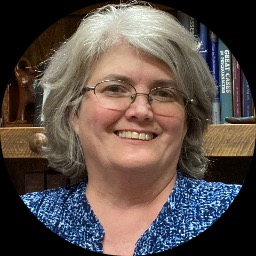
About Sherry
Dr. Sherry Marasse helps people facing anxiety, depression, stress, and life transitions. She focuses on building self-esteem, managing compassion fatigue, and supporting people through grief and trauma.
Her work also addresses career concerns, social anxiety, and questions about life purpose. Her style is warm and practical. She talks with clients about what’s happening now and helps them find small, useful changes.
Sessions aim to strengthen coping skills and reduce overwhelming feelings.
Background and approach
She also supports people exploring identity and non-traditional relationship structures. With twelve years of clinical experience, she brings steady support to difficult moments. She holds the LPC credential, which is listed as LPC in her profile.
Her practice is based in Texas and she conducts online sessions for people who prefer remote care. Dr. Marasse often helps people with specific worries like abandonment, adoption or foster care issues, caregiver stress, and concerns around money or work.
She also addresses shame, guilt, and the emotional effects of hospice or end-of-life circumstances. Clients work on concrete plans to manage symptoms and move toward goals. Her approach balances empathy with clear guidance.
Conversations are practical and goal-oriented, while still allowing space to process hard feelings. She encourages realistic steps that fit each person’s life and priorities.
Evidence-based approaches and online care
Dr. Marasse uses evidence-based therapeutic techniques that focus on skills people can use right away. One common approach she uses helps people identify unhelpful thinking patterns and practice alternative ways of thinking to reduce anxiety and depressive symptoms. Another approach centers on building practical coping skills - such as relaxation exercises, activity planning, and problem-solving - to manage stress and improve daily functioning.Choosing the right approach is a collaborative process. The therapist will talk with each person about their goals, preferences, and what has or hasn't worked before, then try methods that fit those needs. Sessions are adjusted over time based on progress and feedback so the plan stays useful and realistic.
Online therapy is offered via video calls, phone sessions, live chat, and text-based messaging, which makes it easier to fit therapy into a busy life. Video calls allow for a face-to-face conversation, phone sessions work well when internet is limited, live chat can support shorter check-ins, and messaging helps people reflect between sessions. These options give flexibility to continue work on anxiety, grief, career issues, and other concerns without needing to travel.
Questions people ask
What concerns does this therapist address?
How would you describe the therapeutic style here?
What is her professional background?
Where is the therapist located and what credentials are listed?
Which languages are supported?
What session formats are available?
How is cost handled for sessions?
How do I begin working with this therapist?
What this therapist works with
Most often
- LGBT
- Self esteem
- Career difficulties
Also listed
- Abandonment
- Adoption and foster care
- Caregiver issues and stress
- Coaching
- Compassion fatigue
- Coping with life changes
- Depression
- Forgiveness
- Grief
- Guilt and shame
- Hospice and end-of-life counseling
- Life purpose
- Money and financial issues
- Polyamory / non-monogamous relationships
- Self-love
- Social anxiety and phobia
- Stress, Anxiety
- Trauma and abuse
- Veteran and Armed Forces Issues
- Experience
- 12 years
- Licensed
- Texas, Arizona, Washington, Colorado
- Languages
- English
We will earn a commission if you sign up through our link, at no cost to you.