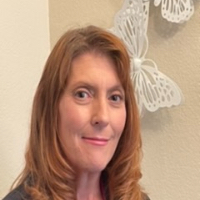
About Shelley
Dr. Shelley Wolfe is an Arizona psychologist with more than two decades of experience helping people manage stress and anxiety. She uses a practical, person-focused style to help people who feel stuck or overwhelmed.
Her approach aims to make therapy feel like a respectful conversation about real problems. She draws on Client-Centered Therapy to build a trusting relationship and create space for people to be heard. Cognitive Behavioral Therapy ideas are used when clients want concrete tools to change patterns of thinking and behavior.
Background and approach
Motivational Interviewing helps people find their own reasons to make changes and stick with them. Dr. Wolfe has worked across many settings during a long career in mental health, giving her experience with mood disorders such as depression, bipolar disorder, and anxiety.
She also has a history of helping people cope with trauma, grief, and major life changes. Other areas she addresses include self-esteem, relationship and intimacy concerns, parenting stress, and chronic illness or pain. Her style is warm and straightforward.
She aims to be genuine, nonjudgmental, and focused on practical next steps. Sessions mix listening, questions, and hands-on strategies tailored to each person's goals. People who reach out can expect to work collaboratively to set goals and try approaches that fit their needs.
Dr. Wolfe emphasizes steady progress rather than quick fixes and supports clients as they try new ways of coping and relating to themselves.
How these approaches work online
Client-Centered Therapy focuses on building a respectful, empathetic relationship so people can talk honestly about what matters to them. Online sessions let that same listening and reflection happen through video or phone so progress can continue without travel.Cognitive Behavioral Therapy (CBT) provides clear tools to identify unhelpful thoughts and change behaviors. In remote sessions a therapist can guide thought records, activity scheduling, and homework that you can practice between meetings.
Motivational Interviewing helps people find their own motivation to change by exploring values and goals. That collaborative, goal-focused method translates well to online formats where short check-ins or messaging can keep momentum between full sessions.
Finding the right approach is part of the work. The therapist will discuss goals, preferences, and what feels most useful, and then adapt methods as needed. Clients and the therapist decide together which mix of listening, skill-building, and motivation work best.
Online therapy offers flexible options like video calls, phone sessions, live chat, and text messaging. Video is helpful for deeper conversation and visual cues, phone calls can fit around busy schedules or lower bandwidth, and chat or messaging is useful for quick check-ins and written exercises. These choices make it easier to keep therapy consistent around work, caregiving, and other routines.
Questions people ask
What concerns does she commonly address?
How would you describe her therapy style?
What is her background and experience?
Where is she licensed and practicing?
Which languages are sessions offered in?
What session formats are available online?
How is cost handled for sessions?
What are the steps to begin therapy?
What this therapist works with
Most often
Also listed
- Anger management
- Bipolar disorder
- Career difficulties
- Chronic pain, illness, and disability
- Coaching
- Compassion fatigue
- Coping with life changes
- Family conflicts
- Gender dysphoria
- Grief
- Guilt and shame
- Intimacy-related issues
- Isolation / loneliness
- LGBT
- Mood disorders
- Parenting issues
- Relationship issues
- Self-love
- Social anxiety and phobia
- Trauma and abuse
- Women's issues
Therapeutic approaches
- Experience
- 23 years
- Licensed
- Arizona
- Languages
- English
We will earn a commission if you sign up through our link, at no cost to you.