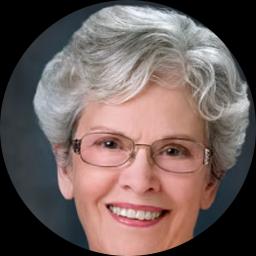
About Sharon
Sharon Sterling is a licensed clinical social worker with twenty years of experience who helps people facing stress, anxiety, depression, and major life changes. She focuses on practical ways to ease overwhelming feelings and build everyday coping skills. Sharon aims to help people improve self-esteem and find clearer direction when life feels uncertain.
Her sessions are straightforward and collaborative. She listens for what matters most, then offers tools people can try between meetings.
Background and approach
Techniques draw from evidence-based approaches such as Cognitive Behavioral Therapy and Acceptance and Commitment Therapy to address thought patterns and values-driven action. Sharon pays special attention to caregiver stress and women's issues. She supports people who feel isolated, stuck by guilt or shame, or unsure about their life purpose.
Work often includes improving communication, managing panic or mood symptoms, and negotiating control issues. Clients can expect a calm, solution-focused style that balances skills practice with emotional processing. She encourages self-compassion and step-by-step change rather than quick fixes.
The goal is clearer priorities and routines that reduce daily strain. Based in Arizona, Sharon offers a decades-long perspective on long-term struggles and recovery. Her approach is flexible and tailored to each person, aiming to make progress feel manageable and relevant to real life.
How ACT, CBT, and DBT translate to online therapy
Acceptance and Commitment Therapy (ACT) helps people get clear on what matters to them and take small actions toward those values despite anxious or painful thoughts. It is useful for stress, anxiety, and finding purpose when life feels stuck. Cognitive Behavioral Therapy (CBT) focuses on identifying unhelpful thinking and shifting behavior through practical exercises and homework. CBT is often used for anxiety, panic, and mood concerns to reduce symptoms and build new routines. Dialectical Behavior Therapy (DBT) teaches specific coping skills for intense emotions and relationship strain, such as distress tolerance and emotion regulation.Choosing the right approach is part of the work and happens together. The therapist will talk with the client about goals, preferences, and what feels most helpful. Then they adapt techniques from these approaches to fit the person and their day-to-day life.
Online formats make this collaborative work easier to fit into busy schedules. Video calls allow face-to-face conversation and skill coaching. Phone sessions can be a good option when bandwidth is limited or for shorter check-ins. Live chat and text-based messaging support quick check-ins, homework prompts, and ongoing accountability between meetings. These options offer flexibility so people can use therapy in ways that match their routines and needs.
Questions people ask
What kinds of concerns does she help with?
What is Sharon's therapeutic style like?
How much clinical experience does she have?
What credential does she hold and where is she based?
Can sessions be conducted in languages other than English?
What session formats are offered?
How does payment and cost work?
How do I begin working with Sharon?
What this therapist works with
Most often
- Stress, Anxiety
- Parenting issues
- Self esteem
Also listed
Therapeutic approaches
- Experience
- 20 years
- Licensed
- Arizona
- Languages
- English
We will earn a commission if you sign up through our link, at no cost to you.