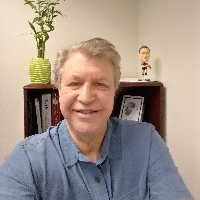
About Scott
Scott Underwood is a Licensed Clinical Social Worker with 23 years of practice. He began his career in the Army as a Behavioral Science Specialist and later worked in community mental health, hospitals, and independent practice. He has extensive experience with trauma, depression, and anxiety and brings a steady, experienced presence to sessions.
Scott prefers a straightforward, down-to-earth style. He says counseling does not always have to be heavy or formal.
Background and approach
When appropriate, he uses humor to ease tension alongside practical problem solving and anger management strategies. He supports people facing both severe conditions and those who are usually high-functioning but have hit a rough patch. Scott helps people clarify goals, decide whether they want short-term or longer-term work, and adjust the plan if priorities change.
He also offers assessment and consultation when a clearer diagnostic picture is useful. Sessions can be delivered by video, phone, or messaging. Scott notes that some clients value convenience and others prefer the distance an online format provides.
He adapts his approach to the mode the client chooses, whether that is a quick check-in, a focused short-term plan, or ongoing therapy. Clients who come with a sense of what they want from counseling will often find it easier to shape the work.
Scott welcomes people who want direction, a good listener, or a place to sample therapy and see how it feels. He aims to be flexible and practical as needs evolve.
Online approaches for trauma and anxiety
Scott uses Cognitive Behavioral Therapy to help people identify unhelpful thoughts and try new behaviors. CBT is often used for anxiety, panic, phobias, and mood concerns and focuses on practical steps to change patterns.He also offers EMDR, which involves structured processing techniques aimed at easing distress tied to traumatic memories. EMDR is used commonly for post-traumatic stress and trauma-related symptoms and is presented here as a therapeutic option for people who have traumatic experiences affecting daily life.
Finding the right approach is a collaborative process. Scott will work with each person to match methods to their goals, needs, and comfort level. He encourages people to say what they want from therapy and to change course if the approach isn’t working.
Online sessions are offered by video calls, phone sessions, live chat, or text-based messaging to provide flexibility. Video can support face-to-face conversation, phone can be easier when bandwidth is limited, and messaging formats let people check in between sessions or fit short contacts into a busy day. These options help make therapy more accessible for different schedules and life demands.
Questions people ask
What concerns can Scott help with?
How would you describe his therapeutic style?
What is his professional background?
Where is he licensed and based?
Which languages are supported for sessions?
What session formats are available?
How does payment and cost work?
How do I begin working with him?
What this therapist works with
Most often
- Stress, Anxiety
- Trauma and abuse
- Parenting issues
Also listed
- Anger management
- Bipolar disorder
- Career difficulties
- Coaching
- Coping with life changes
- Depression
- Eating disorders
- Family conflicts
- Family problems
- Grief
- Intimacy-related issues
- Midlife crisis
- Mood disorders
- Panic disorder and panic attacks
- Phobias
- Post-traumatic stress
- Relationship issues
- Self esteem
- Sleeping disorders
- Social anxiety and phobia
- Veteran and Armed Forces Issues
Therapeutic approaches
- Experience
- 23 years
- Licensed
- California
- Languages
- English
We will earn a commission if you sign up through our link, at no cost to you.