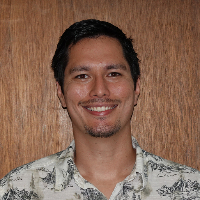
About Scott
Scott Kilousky is a Licensed Marriage and Family Therapist (LMFT) who helps people who are feeling overwhelmed by anxiety, depression, relationship strain, grief, or substance use. He creates a calm, nonjudgmental space where people can talk through what brought them to therapy and begin to make sense of change. Scott uses a collaborative, non-directive style.
He listens first and follows the concerns the person brings. Sessions focus on what matters most to the client and on practical steps that fit their life.
Background and approach
Scott draws on client-centered work to prioritize the person’s experience and values. He also uses existential ideas to help people find meaning when they face big life shifts. Solution-focused elements keep conversations goal-oriented and action based so clients leave with concrete next steps.
With four years of clinical experience in Hawaii, Scott works with a wide range of concerns, including addictions, trauma, anxiety, bipolar mood concerns, and struggles with self-esteem. He also supports people dealing with communication problems, guilt and shame, isolation, and questions about life purpose. Sessions are offered in English and available through a mix of formats to fit different needs.
Scott emphasizes a paced, collaborative process where the client’s goals guide the work. He aims to help people move into change with clarity and practical tools.
How therapeutic approaches fit into online care
Client-centered therapy focuses on listening and reflecting the person’s own concerns back to them. It helps people feel heard and clarifies what they most want to change. Existential therapy looks at questions of meaning and choice, which can be useful when facing big life changes or grief. Solution-focused therapy emphasizes small, practical steps and short-term goals to create momentum and measurable progress.Finding the right mix of approaches is part of the work. Scott will collaborate with each person to choose methods that match their needs, goals, and preferences. Together they decide whether to focus on understanding and meaning, on concrete solutions, or on a blend of both.
Online formats offer flexibility for ongoing therapy. Video calls allow face-to-face conversation and visual cues. Phone sessions can work when bandwidth is limited or when someone prefers not to be on camera. Live chat and text-based messaging suit brief check-ins, written reflections, or days when a shorter touchpoint is helpful. These options make it easier to maintain continuity of care while fitting sessions into a busy life.
Questions people ask
What kinds of concerns does Scott address?
What is his general therapy style?
How much clinical experience does he have?
What are his credentials and location?
Which languages are supported for sessions?
Can people outside the US work with him?
How are sessions delivered?
What do sessions cost and how does billing work?
What this therapist works with
Most often
- Addictions
- LGBT
- Relationship issues
Also listed
Therapeutic approaches
- Experience
- 4 years
- Licensed
- Hawaii
- Languages
- English
We will earn a commission if you sign up through our link, at no cost to you.