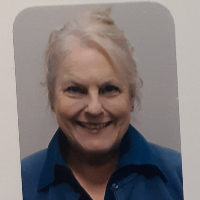
About Sarah
Sarah Ross is a Licensed Mental Health Counselor with 27 years of experience. She has worked in community mental health, drug court, marital counseling centers, and independent practice. She helps people who are struggling with stress, anxiety, depression, grief, relationship and family concerns, and self-esteem issues.
She has supported adults facing addiction-related challenges, chronic mental health concerns, and life transitions. Her background includes roles as a clinical supervisor and clinic director, and she has worked with clients who experienced trauma, abuse, loss, and complicated family histories.
Background and approach
Sarah uses a flexible, interactive style in sessions. She listens without judgment and offers positive regard and encouragement. She helps people notice patterns they missed before and brings those observations into the conversation to spark new insight.
Therapy with her is collaborative and requires commitment from both people. She explains that meaningful change usually takes time and steady work rather than quick fixes. She adapts her pace and tone to match what each person needs, from coaching and encouragement to a gentler, reflective approach.
Her approach blends client-centered methods with cognitive behavioral ideas and psychodynamic perspectives. She also draws from Gottman ideas for relationship work and uses mindfulness skills when helpful. This variety lets her tailor sessions to the problem at hand and the person's goals.
Therapeutic approaches and online care
Sarah often blends client-centered methods and cognitive behavioral therapy to meet each person's needs. Client-centered work focuses on listening with acceptance, helping people feel heard and supported as they talk about stress, relationship difficulties, or grief. Cognitive behavioral therapy looks at how thoughts, feelings, and behaviors interact and teaches practical skills to manage anxiety, low mood, and unhelpful patterns.She treats finding the right method as a joint process. Together the therapist and client decide which approaches to try based on current goals, life demands, and how someone prefers to work. Sessions may shift over time as goals change or new concerns arise, and Sarah adapts her pace to match what the person needs in that moment.
Online sessions include video calls, phone sessions, live chat, and text-based messaging to offer flexibility. Video calls work well for deeper conversations and visual connection, while phone sessions can fit into a short break or when bandwidth is limited. Live chat or text messaging can help with brief check-ins, skill practice, or when someone prefers written communication. These options make it easier to balance therapy with work, parenting, or other daily duties.
Questions people ask
What kinds of problems does she help with?
What is her therapeutic style like?
How long has she been practicing?
Where is she licensed and located?
Which languages are supported for sessions?
What session formats are available online?
How do fees and payment work?
How do I begin if I want to work with her?
What this therapist works with
Most often
- Stress, Anxiety
- Relationship issues
- Family conflicts
Also listed
- Blended family issues
- Career difficulties
- Codependency
- Commitment issues
- Communication problems
- Compassion fatigue
- Coping with life changes
- Depression
- Divorce and separation
- Domestic violence
- Emptiness
- Family of origin issues
- Family problems
- Forgiveness
- Grief
- Guilt and shame
- Life purpose
- Mood disorders
- Parenting issues
- Self esteem
- Self-love
- Trauma and abuse
- Workplace issues
Therapeutic approaches
- Experience
- 27 years
- Licensed
- Washington
- Languages
- English
We will earn a commission if you sign up through our link, at no cost to you.