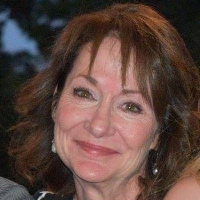
About Sandra
Prof. Sandra Brackenridge brings more than three decades of hands-on experience to therapy. She holds an LCSW and spent 23 years as a social work professor.
Sandra also supervises social workers seeking clinical licensure and has helped clinicians in multiple states reach that goal. Sandra continued to see clients while teaching and supervising, so she kept her skills current. She has written and presented widely on grief and bereavement and on mental health issues in healthcare settings.
Background and approach
Her work includes attention to veterinary professionals and others who face high workplace stress. She has researched and published on the mental health impact of natural disasters and pandemics, and she has supported people through hurricanes and other large-scale events. That background informs how she approaches crisis-related concerns and recovery.
Sandra commonly helps people managing stress and anxiety, grief and loss, relationship and intimacy issues, burnout and compassion fatigue, and life transitions. She also works with concerns such as addiction, depression, bipolar disorder, ADHD, parenting strain, and career questions. Her style is grounded and empathic.
She listens carefully and then offers practical ways to cope and move forward. Sandra aims to tailor sessions to each person’s needs, drawing on attachment, narrative, existential, and client-centered ideas as appropriate.
Therapeutic approaches and online care
Attachment-Based Therapy focuses on how early bonds affect current relationships and makes patterns easier to understand. It can help with anxiety tied to closeness, trust, or separation. Narrative Therapy helps people reframe the stories they tell about themselves and their struggles, which can support recovery from grief, trauma, or identity challenges. Client-Centered Therapy centers the person in the room, using empathic listening to help someone feel heard and make their own choices about change.Choosing the right approach is a collaborative process. The therapist will talk with the person about goals, preferences, and life circumstances, then suggest approaches that fit. Together they adjust methods over time if something is not working or if new needs appear.
Online therapy with this practice uses video calls, phone sessions, live chat, or text-based messaging to make sessions flexible. Video calls allow face-to-face conversation when that is helpful. Phone sessions can be a simpler option when bandwidth or camera use is difficult. Live chat and text messaging support brief check-ins, ongoing reflection, or people who prefer written contact. These options make it easier to fit therapy into work, caregiving, or travel schedules.
Questions people ask
What types of concerns does she help with?
How would you describe her therapeutic style?
What is her professional background?
Where is she located and what credential does she hold?
Can sessions be conducted in other languages or countries?
What session formats are available?
How is cost handled for therapy?
What are the first steps to begin therapy?
What this therapist works with
Most often
- Stress, Anxiety
- Relationship issues
- Grief
Also listed
- Addictions
- ADHD
- Bipolar disorder
- Blended family issues
- Career difficulties
- Caregiver issues and stress
- Compassion fatigue
- Coping with life changes
- Coping with natural or human-caused disaster
- Depression
- Divorce and separation
- Family conflicts
- First responder issues
- Hospice and end-of-life counseling
- Intimacy-related issues
- Isolation / loneliness
- Life purpose
- Parenting issues
- Self esteem
- Trauma and abuse
Therapeutic approaches
- Experience
- 31 years
- Licensed
- Texas
- Languages
- English
We will earn a commission if you sign up through our link, at no cost to you.