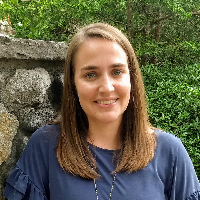
About Samantha
Samantha Dunn is a licensed clinical social worker who focuses on stress and anxiety. She sees people juggling heavy responsibilities and feeling worn out. Samantha speaks plainly and offers practical help for everyday overwhelm.
She listens first and pays attention to what matters most to each person. Sessions aim to untangle the daily pressures and the thoughts that make them worse. Samantha uses clear tools meant to fit into busy lives rather than long lists of theory.
Background and approach
Her approach is warm and nonjudgmental. Samantha helps people notice how their thinking and habits keep stress looping. Then she works with them to try small changes that bring real relief.
Mindfulness and breathing practices are mixed with straightforward problem-solving and behavior changes. Samantha also draws on cognitive behavioral techniques to help people change unhelpful thinking patterns. Motivational interviewing supports people ready to try new habits or make life changes.
Trauma-focused strategies are used when past events still cause strong reactions in daily life. She has nine years of experience and holds an LCSW, Licensed Clinical Social Worker, in North Carolina. Sessions are offered in English and designed to match each person’s pace and priorities.
Samantha emphasizes teamwork in setting goals and tracking progress.
How evidence-based approaches work online
Samantha commonly uses cognitive behavioral therapy and mindfulness therapy in her online practice. Cognitive behavioral therapy helps people notice unhelpful thoughts and try different, more useful ways of thinking and behaving; it can be applied to anxiety, sleep problems, and low mood. Mindfulness therapy teaches simple attention and breathing skills to reduce reactivity and increase calm in stressful moments; it often pairs well with work on stress and parenting.Finding the right approach is part of the work together. Samantha will talk with each person about their goals, try methods that match those goals, and adjust strategies if they aren’t helpful. She treats the process as a collaboration where the client’s preferences guide which tools are used.
Online therapy offers flexible ways to connect through video calls, phone sessions, live chat, or text-based messaging. Video lets people work face-to-face when schedules allow, phone calls need less bandwidth, live chat can be a brief check-in, and text messaging supports short updates or coaching between sessions. These options make it easier to fit therapy into a busy life and to use approaches like CBT and mindfulness in the moments they matter most.
Questions people ask
What kinds of concerns does this therapist address?
How would you describe her therapy style?
What is her professional background?
What credentials and location are listed?
Which languages and international clients are supported?
What formats are available for sessions?
How does payment and cost work?
What are the first steps to begin working together?
What this therapist works with
Most often
- Stress, Anxiety
- Parenting issues
- Self esteem
Also listed
- ADHD
- Anger management
- Attachment issues
- Blended family issues
- Career difficulties
- Caregiver issues and stress
- Coaching
- Coping with life changes
- Depression
- Family conflicts
- Family of origin issues
- Family problems
- Grief
- Guilt and shame
- Impulsivity
- Isolation / loneliness
- Post-traumatic stress
- Postpartum depression
- Pregnancy and childbirth
- Relationship issues
- Sleeping disorders
- Social anxiety and phobia
- Trauma and abuse
- Women's issues
Therapeutic approaches
- Experience
- 9 years
- Licensed
- North Carolina
- Languages
- English
We will earn a commission if you sign up through our link, at no cost to you.