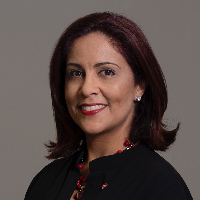
About Rosa
Dr. Rosa Salas is a licensed marriage and family therapist with two decades of clinical work. She brings a calm, direct style to sessions and speaks English and Spanish.
Her practice focuses on anxiety, stress, sleep problems, self-esteem, and mood concerns. She uses straightforward conversation and practical tools. Many sessions involve talking through what feels overwhelming and trying small changes that can fit into daily life.
She often helps people create a plan for coping and then checks in on how those steps went.
Background and approach
Dr. Salas also supports those facing grief, trauma and abuse, parenting stress, and relationship struggles. She pays attention to cultural background and the ways immigration, prejudice, or caregiving demands affect daily life.
Aging and geriatric concerns, autism and neurodiversity, and end-of-life issues are additional areas she addresses. Her approach blends attachment-focused ideas, client-centered listening, cognitive behavioral techniques, and EMDR when it may help with traumatic memories. She also draws on the Gottman Method for relationship-focused work.
Her methods are chosen to match each person’s goals and situation. Sessions can take place by video call, phone, live chat, or text messaging. Dr.
Salas frames therapy as collaborative and practical, aiming to help people feel more able to handle stressors and make changes that matter.
Therapeutic approaches that work online
Dr. Salas uses cognitive behavioral therapy and attachment-based work in online sessions. Cognitive behavioral therapy, or CBT, focuses on identifying unhelpful thinking and trying practical changes in behavior to reduce anxiety and improve sleep. Attachment-based therapy looks at patterns in relationships and helps people build more supported ways of relating and coping with stress.She approaches treatment as a collaboration. Together they review goals, try an approach for a few sessions, and adjust based on what helps most. The therapist helps clients decide if techniques like EMDR or relationship-focused methods should be added later.
Online formats include video calls, phone sessions, live chat, and text-based messaging. Video sessions let people read facial cues and do deeper conversational work. Phone calls can be a good fit when bandwidth is limited or a shorter check-in is needed. Live chat and text messaging are useful for in-the-moment processing, journaling-style reflection, and keeping a written record of tools and suggestions. These options make it easier to fit therapy into busy schedules and varied daily routines.
Questions people ask
What kinds of concerns does she focus on?
What is her general therapy style?
How much clinical experience does she have?
Where is she licensed and based?
Which languages are sessions offered in?
What session formats are available?
How is cost handled for sessions?
What are the steps to begin working with her?
What this therapist works with
Most often
- Stress, Anxiety
- Sleeping disorders
- Self esteem
Also listed
- Aging and geriatric issues
- Anger management
- Autism and Asperger Syndrome
- Caregiver issues and stress
- Co-morbidity
- Codependency
- Communication problems
- Control issues
- Coping with life changes
- Depression
- Eating disorders
- Family conflicts
- Forgiveness
- Grief
- Guilt and shame
- Hospice and end-of-life counseling
- Immigration issues
- Life purpose
- Midlife crisis
- Multicultural concerns
- Parenting issues
- Prejudice and discrimination
- Relationship issues
- Self-love
- Trauma and abuse
- Women's issues
- Young adult issues
Therapeutic approaches
- Experience
- 20 years
- Licensed
- Florida, Illinois, New York, Maine
- Languages
- English, Spanish
We will earn a commission if you sign up through our link, at no cost to you.