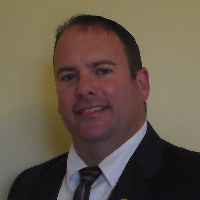
About Robert
Dr. Robert Cipriano Jr is a licensed psychologist who uses cognitive behavioral therapy and EMDR in his work. He has practiced for 20 years and is based in Florida.
He offers online sessions by video, phone, chat, or text to give people flexible options for care. He focuses on stress and anxiety alongside a wide range of concerns such as depression, trauma and abuse, grief, sleeping problems, addictions, and anger.
Background and approach
He also helps with intimacy-related issues, self-esteem, career questions, and coping with life changes. Parenting and blended family issues are part of his clinical interests as well. Over two decades he has worked in trauma-focused hospital settings and provided crisis support to emergency staff.
That experience includes running critical incident stress debriefings and consulting with public safety personnel. He has also supported victims and first responders after major local incidents. Dr.
Cipriano holds psychology credentials in California and North Carolina as well as his Florida practice. He has developed training programs on active-shooter dynamics, school violence, and bullying prevention for clinicians and institutions. His writing and program work emphasize ongoing wellness for people in high-stress roles.
In sessions he uses straightforward, goal-oriented methods from CBT and, when appropriate, EMDR for trauma-related symptoms. He works collaboratively to identify what a person wants to change and to build skills and plans that fit day-to-day life.
Online use of CBT and EMDR for stress and trauma
Dr. Cipriano commonly uses cognitive behavioral therapy to help people notice and change unhelpful thoughts and behaviors. CBT sessions focus on clear goals, practical skills, and homework that can be practiced between meetings to reduce anxiety and improve daily functioning.He also offers Eye Movement Desensitization and Reprocessing, or EMDR, for people who have trauma-related symptoms. EMDR uses structured procedures to help process distressing memories and reduce the intensity of traumatic reactions when that approach fits a person's needs.
Choosing the right approach is a collaborative process. The therapist will discuss symptoms, goals, and preferences and then recommend CBT, EMDR, or a mix of methods. Clients and the therapist decide together what to try and adjust the plan as progress is made.
Online therapy formats include video calls, phone sessions, live chat, and text-based messaging. Video allows face-to-face interaction, phone can work when bandwidth is limited, chat or text suit brief check-ins and asynchronous support, and messaging lets people share between sessions. These options make it easier to fit therapy into busy schedules and to continue care from different locations.
Questions people ask
What kinds of problems does he address?
What is his general therapy style?
How much clinical experience does he have?
What licenses does he hold and where is he located?
Can sessions be conducted in languages other than English?
What session formats are available?
How is cost handled for sessions?
How do I begin therapy with him?
What this therapist works with
Most often
- Stress, Anxiety
- Addictions
- Relationship issues
Also listed
- ADHD
- Anger management
- Bipolar disorder
- Blended family issues
- Career difficulties
- Coaching
- Communication problems
- Compassion fatigue
- Coping with life changes
- Coping with natural or human-caused disaster
- Depression
- Family conflicts
- Family problems
- First responder issues
- Grief
- Intimacy-related issues
- Life purpose
- Men's issues
- Midlife crisis
- Parenting issues
- Post-traumatic stress
- Self esteem
- Sleeping disorders
- Social anxiety and phobia
- Trauma and abuse
- Veteran and Armed Forces Issues
Therapeutic approaches
- Experience
- 20 years
- Licensed
- Florida, North Carolina, California
- Languages
- English
We will earn a commission if you sign up through our link, at no cost to you.