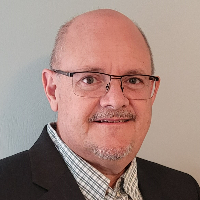
About Rick
Rick Clements is a Licensed Clinical Social Worker (LCSW) with 25 years of practice in Utah. He focuses on helping people manage stress and anxiety and on improving how they relate to others. Rick emphasizes practical steps you can use right away, and he aims to make therapy feel straightforward and doable.
He starts by listening closely to understand what matters most to each person. Then he helps identify the most pressing problems and matches tools to those needs.
Background and approach
Sessions often include checking progress and adjusting plans so the work stays relevant. Rick has spent much of his career supporting people through grief, trauma, depression, and issues with anger or sleep. He also helps with relationship concerns, intimacy-related struggles, parenting stress, and career questions.
He works with people facing addictions, bipolar mood challenges, and life transitions that feel overwhelming. Additional areas Rick addresses include adoption and foster care questions, attachment and family of origin issues, fatherhood concerns, forgiveness and guilt, hospice and end-of-life matters, intellectual disability considerations, and goals around life purpose and midlife change. He brings steady, practical guidance to these topics.
Clients can expect a collaborative process where tools and supports are chosen together. Rick aims to help people build healthier connections and move toward a life that feels more manageable and authentic.
Therapeutic approaches and online care
Rick uses evidence-based therapeutic techniques focused on practical change and relationship repair. One common approach helps people learn new skills for managing anxiety and stress, such as breathing, pacing, and behavior changes that reduce worry and improve sleep. Another approach focuses on relationship patterns and attachment, helping people understand how past experiences affect current connections and teaching clearer ways to relate in close relationships.Finding the right approach is part of the work. Rick collaborates with each person to decide which techniques match their needs, goals, and preferences. He starts by listening, then suggests options, and together they track how well the approach is working and make adjustments when needed.
Online therapy offers several practical benefits for this work. Video calls let you see facial cues and use visual tools during a session. Phone sessions can fit a short check-in or when bandwidth is limited. Live chat and text-based messaging make it easier to stay connected between appointments and to get brief support during the week. These formats give flexibility to schedule care around work, parenting, or travel while keeping therapy consistent.
Questions people ask
What concerns does Rick commonly address?
What is his therapeutic style like?
How much experience does he have?
Where is he based and what are his credentials?
Which languages are supported for sessions?
What session formats are available?
How are costs and subscriptions handled?
How do I begin therapy with him?
What this therapist works with
Most often
- Stress, Anxiety
- Relationship issues
- Trauma and abuse
Also listed
- Addictions
- ADHD
- Adoption and foster care
- Anger management
- Attachment issues
- Bipolar disorder
- Career difficulties
- Coaching
- Compassion fatigue
- Coping with life changes
- Depression
- Family conflicts
- Family of origin issues
- Family problems
- Fatherhood issues
- Forgiveness
- Grief
- Guilt and shame
- Hospice and end-of-life counseling
- Intellectual disability
- Intimacy-related issues
- Life purpose
- Men's issues
- Midlife crisis
- Parenting issues
- Self esteem
- Sleeping disorders
- Young adult issues
- Experience
- 25 years
- Licensed
- Utah
- Languages
- English
We will earn a commission if you sign up through our link, at no cost to you.