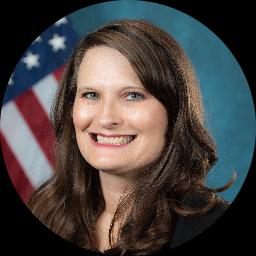
About Rhonda
Rhonda Niemeyer is a Licensed Professional Counselor (LPC) who focuses on helping people manage anxiety and stress. She offers calm, practical guidance for everyday problems like relationship friction, sadness, and the lingering effects of trauma. Rhonda keeps sessions straightforward and goal oriented.
She listens first, then helps clients make small, manageable changes. That can look like practicing coping skills, learning clearer communication, or working through intense emotions step by step.
Background and approach
Her work addresses a range of concerns including grief, depression, obsessive thoughts, and social anxiety. She also supports people dealing with body image, codependency, postpartum depression, and challenges after divorce or separation. Veterans and those facing multicultural stressors are also within her focus areas.
Rhonda uses evidence-based therapeutic techniques to guide recovery. She aims to help people notice patterns that keep problems going and to build new habits that reduce distress. Sessions emphasize skills people can use between appointments.
With eight years of counseling experience in Alabama, Rhonda blends practical strategies with a supportive approach. She meets people where they are and helps them set clear, realistic goals. The focus is on steady progress rather than quick fixes.
Evidence-based approaches and online care
Rhonda uses evidence-based therapeutic techniques that focus on practical change. One common approach she draws on helps people identify unhelpful thought patterns and practice different ways of responding. This can reduce anxiety and obsessive thinking by teaching concrete skills to manage distress. Another useful method centers on building coping skills and emotional regulation through step-by-step practice, which helps with trauma responses, grief, and depression.Finding the right approach is a collaborative process. The therapist will work with each person to choose methods that fit their needs, goals, and comfort level, and will adjust the plan over time based on what helps most.
Online therapy offers flexible ways to meet. Video calls allow face-to-face conversation when visual connection matters. Phone sessions can be easier when bandwidth is limited or when a quicker check-in fits the day. Live chat and text-based messaging make it simple to send short updates, try written exercises, or get support between longer sessions. These formats make it possible to keep therapy consistent around work, caregiving, and other commitments.
Questions people ask
What kinds of concerns does she help with?
What is her therapeutic style like?
How much experience does she have?
What are her credentials and where is she based?
Which languages are supported?
What session formats are available?
How does billing and cost work?
How do I begin working with her?
What this therapist works with
Most often
- Stress, Anxiety
- Relationship issues
- Trauma and abuse
Also listed
- Experience
- 8 years
- Licensed
- Alabama
- Languages
- English
We will earn a commission if you sign up through our link, at no cost to you.