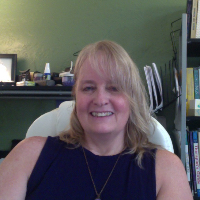
About Rhonda
Rhonda Cox is a licensed counselor who helps people facing stress, anxiety, depression, trauma, and related concerns. She brings a calm, straightforward style and over two decades of experience to sessions. Many people come for help with sleep, panic, grief, or feeling stuck in work or relationships.
Her background includes work in psychiatric units and community mental health centers before opening a independent practice in 2013. Rhonda holds LPC and LCPC credentials and has practiced in multiple settings since 1999.
Background and approach
That long timeline gives her a broad view of common problems and practical ways to address them. In sessions she uses clear, evidence-based methods like cognitive behavioral techniques and solution-focused work. She also draws on mindfulness and trauma-focused approaches when those fit a person's needs.
Conversations are goal-oriented and often include small skills to try between meetings. Rhonda describes her role as supportive and nonjudgmental. She offers encouragement and gentle guidance while people set goals and try new ways of coping.
Progress can look like better sleep, fewer panic moments, stronger boundaries, or improved day-to-day mood. People connect with her for coaching around career and parenting strain, dealing with compassion fatigue, or managing mood disorders and ADHD-related challenges. She practices from South Carolina and conducts sessions in English.
Practical options include video calls, phone, live chat, and text messaging.
How therapeutic approaches translate to online care
Rhonda uses cognitive behavioral techniques to help people spot unhelpful thinking and try different actions. CBT is useful for anxiety, panic, and mood problems because it gives clear, step-by-step exercises to practice between sessions.She also incorporates mindfulness practices to teach attention and stress reduction. Mindfulness can help with sleep issues, racing thoughts, and the emotional fallout of trauma by training simple breathing and awareness habits.
Finding the right approach is a shared process. The therapist and client review goals, try methods, and adjust based on what helps most. Sessions are collaborative and aimed at practical changes that fit the client's life and preferences.
Online care offers flexible ways to connect. Video calls allow face-to-face conversation for deeper discussion, phone sessions can be used when bandwidth is limited, and live chat or text messaging work well for brief check-ins or ongoing coaching. These options make it easier to fit therapy into work, family, or caregiving schedules while using the methods described above.
Questions people ask
What concerns does Rhonda address?
How would you describe her therapeutic style?
What is her professional background?
What are her credentials and location?
Which languages are sessions offered in?
What session formats are available?
How does payment and cost work?
How do I begin working with her?
What this therapist works with
Also listed
- Abandonment
- ADHD
- Anger management
- Bipolar disorder
- Career difficulties
- Caregiver issues and stress
- Coaching
- Codependency
- Communication problems
- Compassion fatigue
- Control issues
- Coping with life changes
- Dependent personality
- Depression
- Family conflicts
- Grief
- Guilt and shame
- Mood disorders
- Panic disorder and panic attacks
- Parenting issues
- Post-traumatic stress
- Relationship issues
- Sleeping disorders
- Social anxiety and phobia
Therapeutic approaches
- Experience
- 21 years
- Licensed
- Colorado, Kansas, South Carolina, New Jersey, Georgia
- Languages
- English
We will earn a commission if you sign up through our link, at no cost to you.