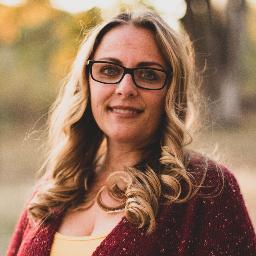
About Raylene
Raylene Franklin is a Licensed Clinical Social Worker who helps people manage stress, anxiety, depression, and major life changes. She draws on 20 years of experience to support those facing addiction, grief, caregiver strain, and other hard moments. Her approach is down-to-earth and focused on practical steps.
She uses a client-centered style that starts with the person in front of her. Sessions focus on clear goals and small actions that build confidence over time.
Background and approach
Raylene often uses solution-focused strategies to help people find immediate, workable changes. Cognitive behavioral techniques are part of her work when thoughts and behaviors get in the way of daily life. She also uses emotionally-focused methods to help people connect with and make sense of their feelings.
Motivational interviewing is used for clients who want support making changes around substance use or other habits. Raylene has worked across hospice, addiction services, and mental health settings, and she has supported people living with physical disabilities and developmental differences. That background informs a practical, compassionate style that favors coaching and steady encouragement.
She offers care in English and accepts international clients for online work. Sessions are offered by video call, phone, live chat, or text messaging. People who want to begin can follow the site Start Therapy process to match and schedule a first session.
Approaches that translate to online care
Client-Centered Therapy focuses on listening and responding to where a person is in their life. The therapist follows the client's lead, reflects concerns, and helps set goals that feel achievable. This works well for stress, self-esteem, and life transitions.Cognitive Behavioral Therapy, or CBT, looks at how thoughts and behaviors interact. It uses straightforward exercises to change unhelpful thinking and small behavioral experiments to build new habits. CBT is often used for anxiety, depression, and social phobia.
Emotionally-Focused Therapy helps people name and work through strong feelings. It can be useful when grief, trauma, or relationship strain are part of the picture.
Finding the right approach is part of the work together. The therapist will talk through goals, preferences, and what has or hasn't helped before, and then suggest techniques to try. That process is collaborative and adjusted as progress is made.
Online formats include video calls, phone sessions, live chat, and text-based messaging. Video sessions allow face-to-face conversation and visual cues. Phone sessions need less bandwidth and can be easier when a quick check-in fits a busy day. Text, chat, and messaging provide shorter, flexible touchpoints between longer sessions. These options make it easier to fit therapy into different schedules and needs.
Questions people ask
What concerns does she help with?
How would you describe her therapy style?
What kind of experience does she bring?
What credentials and location are listed?
Which languages and international arrangements are available?
What session formats are offered?
How does payment and cost work?
How do I get started with her services?
What this therapist works with
Most often
Also listed
- Addictions
- ADHD
- Aging and geriatric issues
- Bipolar disorder
- Career difficulties
- Caregiver issues and stress
- Codependency
- Compassion fatigue
- Coping with life changes
- Drug and alcohol addiction
- Family conflicts
- Grief
- Guilt and shame
- Hospice and end-of-life counseling
- Parenting issues
- Seasonal Affective Disorder (SAD)
- Self-love
- Social anxiety and phobia
- Trauma and abuse
Therapeutic approaches
- Experience
- 20 years
- Licensed
- Montana
- Languages
- English
We will earn a commission if you sign up through our link, at no cost to you.