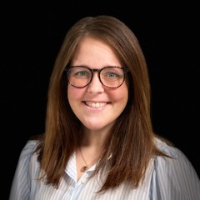
About Rachel
Rachel Garrett is a Licensed Independent Clinical Social Worker in Alabama. She earned a Master of Social Work from Troy University and brings three years of clinical experience to her practice. She welcomes people who are feeling overwhelmed and wants to help them find clearer footing.
Her background includes work in child abuse and neglect with the Department of Human Resources, juvenile services, correctional settings, and inpatient geriatric psychiatric care.
Background and approach
That range gave her experience supporting people with depression, anxiety, bipolar disorder, schizophrenia, and compassion fatigue. Rachel uses straightforward, practical methods in sessions. She listens first and helps people set small, realistic goals.
Sessions often include skills from cognitive behavioral approaches and dialectical behavior techniques, mixed with a client-centered focus that follows the person’s pace and priorities. Clients commonly bring concerns about stress, relationship and family strains, parenting challenges, grief, self-esteem, and life transitions. She also works with issues such as body image, eating-related worries, postpartum depression, and social anxiety.
Rachel aims to make therapy a collaborative process. She will work with each person to identify what feels most helpful, try concrete strategies, and adjust the plan as needed. Her style is calm, respectful, and goal-oriented.
How therapeutic approaches fit into online care
Rachel blends cognitive behavioral therapy and dialectical behavior therapy with a client-centered outlook. Cognitive behavioral therapy focuses on identifying unhelpful thoughts and trying different behaviors to reduce anxiety and depressive symptoms. Dialectical behavior therapy emphasizes skills for managing strong emotions, improving distress tolerance, and building healthier interpersonal patterns. Both approaches are practical and skills-based, which can translate well to remote sessions.Finding the right method is a team effort. The therapist will talk with each person about their goals and preferences, try concrete techniques, and adjust the plan over time. That collaborative process helps decide whether CBT, DBT skills, or a client-centered pace is the best fit for ongoing work on stress, anxiety, or life transitions.
Online therapy is offered through video calls, phone sessions, live chat, and text-based messaging to make care more flexible. Video calls allow face-to-face conversation and visual cues, phone sessions can be easier when bandwidth is limited, live chat suits shorter check-ins, and text messaging supports ongoing reflection between sessions. These options help people fit therapy into busy lives and reach support without extra travel.
Questions people ask
What kinds of problems does Rachel work with?
What is her therapy style like?
How much clinical experience does she have?
What are her credentials and where is she based?
Which languages are available for sessions?
What session formats are offered?
How does payment and cost work?
How do I begin working with Rachel?
What this therapist works with
Most often
Also listed
- Aging and geriatric issues
- Anger management
- Bipolar disorder
- Blended family issues
- Body image
- Compassion fatigue
- Coping with life changes
- Divorce and separation
- Eating and food-related issues
- Emptiness
- Family conflicts
- Grief
- Guilt and shame
- Intimacy-related issues
- Isolation / loneliness
- Life purpose
- Parenting issues
- Postpartum depression
- Pregnancy and childbirth
- Relationship issues
- Self esteem
- Self-love
- Social anxiety and phobia
- Women's issues
- Young adult issues
Therapeutic approaches
- Experience
- 3 years
- Licensed
- Alabama
- Languages
- English
We will earn a commission if you sign up through our link, at no cost to you.