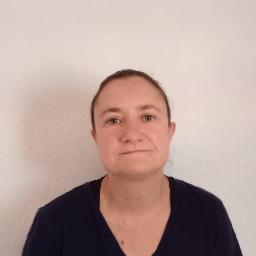
About Rachel
Rachel Cannon is a BACP counsellor based in the United Kingdom with 13 years of direct therapy experience and a longer background in mental health settings. Rachel works with people facing anxiety, stress and life changes. They approach conversations with compassion and without judgement.
Rachel blends humanistic and psychodynamic ideas with practical techniques tailored to each person. Sessions can focus on what is happening now or look at earlier life events to understand repeating patterns.
Background and approach
The aim is to help people make clearer choices and feel more able to cope. People come to Rachel for many concerns including anxiety, depression, trauma and addiction. They also support clients with issues around sexuality and gender, caregiving stress, chronic illness and workplace worries.
Rachel pays attention to how prejudice, shame or identity stress can affect wellbeing. In sessions Rachel listens closely and reflects rather than lecturing. They use motivational interviewing strategies to help people consider change and find their own reasons to act.
The working style is encouraging, practical and focused on small, manageable steps. Rachel respects individuality and challenges stigma around seeking help. They invite people to notice unhelpful patterns and try out different ways of relating to themselves and others.
If someone prefers talking by phone, video, chat or messaging, Rachel offers those formats to fit different lives.
How Rachel's approaches translate to online therapy
Attachment-based work focuses on how early relationships shape current feelings and expectations. Online sessions can be used to notice those patterns and practice different ways of relating to others and to oneself. Client-centred therapy puts the person at the heart of the work, offering a listening, accepting space so a person can find their own answers; this helps with anxiety, low self-esteem and identity questions. Motivational interviewing uses gentle questions to draw out what someone wants to change and to strengthen their own motivation for that change. Choosing the right approach is a shared task. Rachel will talk with each person about their goals and preferences, then try options and adjust the focus as the work progresses. This means the therapy evolves with what is most helpful at any stage. Online formats offer practical flexibility. Video calls allow visual connection for deeper conversation, phone sessions can be simpler when bandwidth is limited, and live chat or text-based messaging suit quick check-ins or people who prefer writing. These options make it easier to fit therapy around work, family and health needs while keeping the focus on progress and practical steps.Questions people ask
What concerns does Rachel commonly address?
What is Rachel's therapeutic style?
How much experience does Rachel have?
What credential does Rachel hold and where are they based?
Are sessions offered in other languages or internationally?
Which session formats are available?
How much do sessions cost?
How do I begin working with Rachel?
What this therapist works with
Also listed
- ADHD
- Anger management
- Bipolar disorder
- Career difficulties
- Caregiver issues and stress
- Chronic pain, illness, and disability
- Compassion fatigue
- Coping with life changes
- Depression
- Gender dysphoria
- Grief
- Guilt and shame
- HIV / AIDS
- Intimacy-related issues
- LGBT
- Life purpose
- Midlife crisis
- Panic disorder and panic attacks
- Prejudice and discrimination
- Relationship issues
- Self esteem
- Self-love
- Sexuality
- Social anxiety and phobia
Therapeutic approaches
- Experience
- 13 years
- Licensed
- Languages
- English
We will earn a commission if you sign up through our link, at no cost to you.