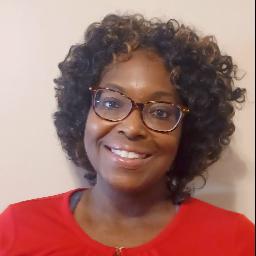
About Porshure
Porshure Richardson is a licensed clinical social worker who focuses on helping people manage anxiety and everyday stress. She uses plain conversation and practical steps to help clients build confidence and cope with tough emotions. She creates a calm, open space where people can say what they are feeling without fear of judgment.
Sessions are aimed at understanding what matters most to each person and finding small changes that make daily life easier.
Background and approach
Her work includes supporting people through grief and loss, depression, and struggles with self-esteem and motivation. She also helps with challenges tied to work, relationships, major life changes, and experiences of trauma and abuse. Porshure brings 21 years of experience in social work and therapy to her clinical practice in Tennessee.
She draws on problem-solving techniques alongside a person-centered style to keep conversations focused and useful. In sessions she mixes short-term goal work with space for deeper reflection. That can mean setting a few practical steps between meetings, trying new ways to react to stress, or working through painful memories at a steady pace.
The aim is steady progress that fits each client's life. People who reach out can expect straightforward guidance, encouragement, and tools they can use right away. Richardson keeps the work tied to daily routines so change feels manageable and relevant.
How approach and access combine in online therapy
Client-Centered Therapy focuses on listening and following the client's lead so sessions reflect each person's priorities and pace. This approach helps when someone needs space to talk through strong emotions or find what matters most to them.Cognitive Behavioral Therapy, or CBT, teaches practical skills to notice and change unhelpful thinking and behavior patterns. It is often used for anxiety, stress, and low mood by setting small experiments and homework between sessions.
Solution-Focused Therapy looks for immediate, actionable steps and existing strengths to move forward quickly. It works well when someone wants focused short-term goals, such as managing a panic pattern or improving daily routines.
Deciding which approach to use is collaborative. The therapist will discuss options, try methods in session, and adjust based on what the client finds helpful. Goals, life demands, and personal preferences guide the plan rather than a one-size-fits-all method.
Online therapy offers multiple ways to connect: video calls for face-to-face conversation, phone sessions when bandwidth is limited, live chat for brief check-ins, and text-based messaging for ongoing reflection. These formats make it easier to fit therapy into work breaks, caregiving schedules, or times when a short message is all that's needed. The combination of clear methods and flexible access helps people make steady progress on anxiety and stress without major disruptions to daily life.
Questions people ask
What kinds of problems does this therapist help with?
What is the therapy style like?
How much experience does the therapist have?
What are the therapist's credentials and location?
Are sessions offered in other languages or internationally?
What session formats are available?
How does billing and cost work?
How do I begin working with this therapist?
What this therapist works with
Most often
Also listed
- ADHD
- Bipolar disorder
- Coaching
- Coping with life changes
- Divorce and separation
- Emptiness
- Family conflicts
- Family problems
- Grief
- Guilt and shame
- Hospice and end-of-life counseling
- Isolation / loneliness
- Self-love
- Trauma and abuse
- Women's issues
- Workplace issues
Therapeutic approaches
- Experience
- 21 years
- Licensed
- Tennessee
- Languages
- English
We will earn a commission if you sign up through our link, at no cost to you.