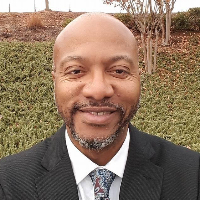
About Patrick
Patrick Aaron (Aaron-Brown) is a Licensed Clinical Social Worker who helps people manage stress, anxiety, depression, relationship strain, and self-esteem concerns. He brings ten years of experience to brief, practical conversations that focus on day-to-day problems. He speaks English and practices from Georgia as an LCSW and CSW.
He uses straightforward, client-centered work to learn what matters to each person. Sessions tend to focus on skills people can use between meetings - like tracking thoughts, practicing calm responses, and trying new ways to communicate.
Background and approach
He also draws on cognitive behavioral methods to spot unhelpful thinking and shift it toward more useful beliefs. Patrick has worked in family and child services, medical social work, and behavioral health roles. That background informs his attention to life changes, grief, aging and caregiver stress, and adoption and foster care concerns.
He emphasizes respect for cultural differences and identity, including LGBT issues and experiences of prejudice. His style is practical and encouraging. He helps people build perseverance, flexibility, and self-worth through problem-solving and supportive techniques.
He also uses motivational interviewing to help people find the reasons they want to change and the steps that feel doable. Patrick holds a certificate in Nurturing Parenting Instruction in addition to his LCSW and CSW credentials. He aims to work collaboratively, helping people set clear goals and try small, measurable steps toward them.
Therapy approaches that translate to online care
Client-centered therapy puts the client’s concerns first and focuses on listening, empathy, and working at the person’s pace. It helps people who need a supportive space to name problems and try changes without pressure.Cognitive behavioral therapy, or CBT, looks at the links between thoughts, feelings, and actions. Online CBT sessions often include tracking thoughts, practicing new responses, and setting small behavioral experiments to reduce anxiety and improve mood.
Emotionally-focused ideas guide conversations about patterns in relationships and closeness. This approach can help people address intimacy-related issues and improve communication by noticing how emotions shape interactions.
Choosing an approach is a team effort. The therapist will talk with the client about goals, preferences, and what feels most useful, then try methods that match those priorities. That collaboration can be adjusted as progress is made.
Online sessions offer flexibility and can fit into busy lives. Video calls allow face-to-face conversation, phone sessions work when bandwidth or camera use is a concern, and live chat or text messaging can be used for quick check-ins or when typed reflection feels easier. These options make it simpler to keep therapy consistent while juggling work, family, or other commitments.
Questions people ask
What concerns does he commonly address?
How would you describe his therapy style?
What is his professional background?
What credentials and location are listed?
Which languages are offered for sessions?
Can people outside the U.S. work with him?
What formats are used for sessions?
How are fees and getting started handled?
What this therapist works with
Most often
- Stress, Anxiety
- LGBT
- Relationship issues
Also listed
- ADHD
- Adoption and foster care
- Aging and geriatric issues
- Anger management
- Caregiver issues and stress
- Coaching
- Codependency
- Communication problems
- Coping with life changes
- Depression
- Family conflicts
- Fatherhood issues
- Grief
- HIV / AIDS
- Intimacy-related issues
- Multicultural concerns
- Parenting issues
- Polyamory / non-monogamous relationships
- Prejudice and discrimination
- Self esteem
Therapeutic approaches
- Experience
- 10 years
- Licensed
- Georgia, Nevada
- Languages
- English
We will earn a commission if you sign up through our link, at no cost to you.