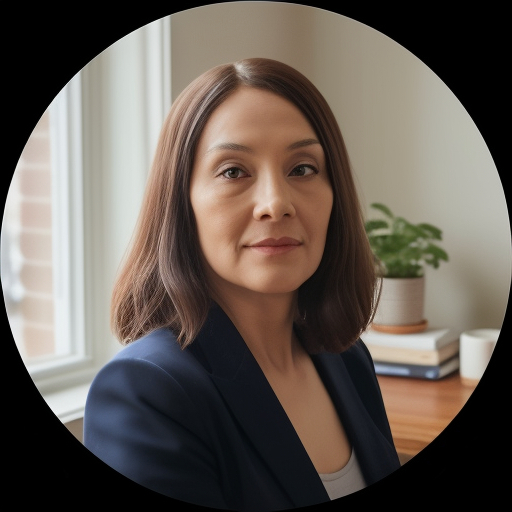
About Patricia
Patricia Curran is a Licensed Professional Counselor (LPC) and Licensed Mental Health Counselor (LMHC) with 36 years of experience. She offers calm, practical support for people dealing with anxiety, stress, grief, depression, and big life changes. Patricia listens first and helps clients find clearer next steps that fit their life.
She draws on several approaches in sessions so the work fits each person. Patricia often uses client-centered listening to understand what matters most to someone.
Background and approach
She pairs that with cognitive behavioral techniques to spot unhelpful thinking patterns and DBT ideas to teach emotional coping skills. Her background includes work in outpatient and inpatient settings and confinement environments. That variety shaped how she approaches crisis moments and long-term struggles alike.
Patricia emphasizes small, practical changes that add up over time. Sessions focus on everyday problems like relationship strain, career stress, caregiver burnout, addiction concerns, and intimacy issues. She also supports people facing aging or serious illness, hospice and end-of-life decisions, and divorce or separation.
Patricia prefers a collaborative rhythm in sessions. She helps people find their own answers, then practices new behaviors and ways of thinking together. The goal is clearer choices and more manageable days.
Practical therapy approaches for online care
Patricia often blends client-centered work and cognitive behavioral therapy in online sessions. Client-centered therapy focuses on listening closely and creating space for people to find their own answers, which helps when someone feels overwhelmed or unsure. Cognitive behavioral therapy looks at thoughts and behaviors together and teaches concrete strategies to reduce anxiety and manage mood. She may also use dialectical behavior therapy skills to teach emotional regulation and distress-tolerance techniques when strong feelings get in the way of daily life. Choosing which approach to emphasize is a collaborative process - the therapist and client discuss goals, try methods, and adjust based on what feels most helpful. Online sessions can take place as video calls, phone sessions, live chat, or text-based messaging to match different needs. Video calls are useful for longer conversations and practicing skills together, phone sessions can work when bandwidth or camera use is limited, and messaging or chat allows brief check-ins or ongoing support between appointments. These options make it easier to fit therapy into work, caregiving, or medical schedules while keeping the focus on practical strategies and steady progress.Questions people ask
What concerns does Patricia commonly help with?
What is her therapy style like in sessions?
How much experience does she have?
What credentials and region does she hold?
Which languages are supported and are international sessions available?
What session formats does she offer?
How is cost handled for sessions?
How do I begin working with Patricia?
What this therapist works with
Most often
Also listed
- Addictions
- Aging and geriatric issues
- Anger management
- Cancer
- Career difficulties
- Caregiver issues and stress
- Compassion fatigue
- Coping with life changes
- Divorce and separation
- Emptiness
- Family conflicts
- Hospice and end-of-life counseling
- Intimacy-related issues
- Midlife crisis
- Relationship issues
- Self esteem
- Trauma and abuse
Therapeutic approaches
- Experience
- 36 years
- Licensed
- Washington, Arizona
- Languages
- English
We will earn a commission if you sign up through our link, at no cost to you.