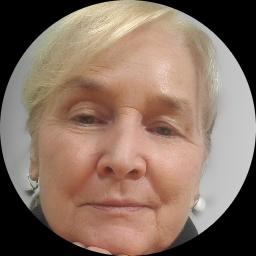
About Pamela
Pamela McCloskey is a Pennsylvania psychologist who helps people manage stress and anxiety. She also supports those coping with trauma, parenting challenges, depression, and grief. Her approach emphasizes respect, sensitivity, and practical steps that fit each person’s situation.
With four decades of experience, Pamela brings a steady, calm presence to sessions. She listens first to understand what matters most to each person. Then she works with them to shape a plan that feels realistic and useful.
Background and approach
Pamela uses a mix of approaches to suit different needs. That can include ways to spot and change unhelpful thinking, strategies for managing intense emotions, and work focused on attachment and past trauma. She explains methods plainly and focuses on what will help day to day.
Sessions move at the client’s pace. Pamela aims to build trust and make skill practice practical. She offers ideas you can try between meetings and checks in on what helps.
People who reach out can expect straightforward conversation and a steady focus on goals. Pamela recognizes how hard it can be to begin therapy and keeps the process simple. Her goal is to help people find clearer ways to cope and move forward.
How therapeutic approaches translate to online work
Attachment-Based Therapy focuses on patterns in close relationships and how early bonds shape reactions today. Online sessions use conversation and guided exercises to help people notice those patterns and try different ways of relating that feel safer and more effective.Cognitive Behavioral Therapy, or CBT, looks at the links between thoughts, feelings, and behavior. In remote sessions Pamela helps people identify unhelpful thinking, test new ideas, and practice small behavior changes between meetings to reduce anxiety and lift mood.
Finding the right approach is part of the process. Pamela works collaboratively to choose methods that match a person’s goals, comfort, and daily life. She checks in and adjusts the plan as people try strategies and report what works and what doesn’t.
Online formats include video calls, phone sessions, live chat, and text-based messaging. Video is useful for longer sessions and teaching skills that benefit from face-to-face interaction. Phone sessions can fit a short break at work or when bandwidth is limited. Live chat and messaging let people check in, get coaching between meetings, or share updates without scheduling a full call. These options offer flexibility so therapy can fit routines and real life.
Questions people ask
What types of concerns does she address?
How would you describe her therapeutic style?
How long has she been practicing?
What credential does she hold and where is she based?
Can sessions be offered in other languages or to people outside the U.S.?
What session formats are available?
How much do sessions cost?
What are the first steps to begin therapy?
What this therapist works with
Most often
- Stress, Anxiety
- Trauma and abuse
- Parenting issues
Also listed
Therapeutic approaches
- Experience
- 40 years
- Licensed
- Pennsylvania
- Languages
- English
We will earn a commission if you sign up through our link, at no cost to you.