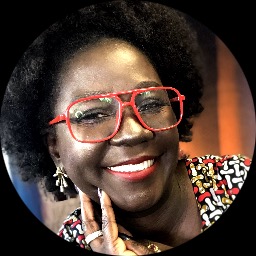
About Olufolake
Dr. Olufolake Ike ThD is a licensed marriage and family therapist (LMFT) based in Texas. She focuses on anxiety and everyday stresses, helping people who feel overwhelmed by work, relationships, loss, or major life changes.
Her style is direct and practical, aimed at small steps that make days feel more manageable. She uses straightforward tools from cognitive behavioral therapy to notice unhelpful thoughts and try new behaviors. Emotionally-focused ideas guide conversations about connection and closeness when intimacy or relationship strain is part of the problem.
Background and approach
Solution-focused techniques help set clear goals and identify what works now, even in small ways. Dr. Ike earned a Doctor of Theology, which reflects deep study of spiritual beliefs and how they shape meaning.
She also holds an LMFT credential in Texas, and she has three years of clinical experience working with people on a range of concerns. That mix of training informs a practical, person-centered approach. Sessions tend to be conversational and goal-oriented.
She helps people break down big problems into manageable steps, practice different responses, and track what helps. Expect homework that fits daily life and check-ins about progress. Dr.
Ike pays attention to cultural and spiritual context when it matters to a person. She also offers coaching-style support for career questions and life purpose work. Therapy conversations are aimed at clearer thinking, stronger relationships, and more reliable ways to cope.
How therapy approaches translate to online work
CBT, or cognitive behavioral therapy, focuses on spotting unhelpful thoughts and testing new actions. It is useful for anxiety, stress, and mood concerns and often includes short exercises to try between sessions.Emotionally-Focused Therapy helps people notice and name feelings and patterns in close relationships. It can be helpful when intimacy, communication, or recurring conflict is part of what a person wants to change.
Solution-Focused Therapy centers on small, practical changes that point toward a clearer goal. Sessions identify what is already working and build on those steps to create quicker momentum.
Choosing an approach is a collaborative process. The therapist will discuss goals, preferences, and what feels most useful, then adapt methods as progress is made. Clients and the therapist revisit what helps and adjust direction together.
Online sessions are offered by video calls, phone sessions, live chat, and text-based messaging to make therapy more flexible. Video is good for longer conversations and face-to-face work, phone calls work well when bandwidth is limited, live chat can be useful for shorter check-ins, and messaging supports ongoing reflection between meetings. These options help fit therapy into busy schedules and varied daily routines.
Questions people ask
What concerns does she commonly address?
How would you describe her therapy style?
What is her professional background?
Where does she practice and what credential does she hold?
Can sessions be conducted in languages other than English?
What session formats are available?
How are costs and billing handled?
What steps do I take to begin therapy?
What this therapist works with
Most often
- Stress, Anxiety
- Relationship issues
- Family conflicts
Also listed
- Anger management
- Career difficulties
- Coaching
- Codependency
- Communication problems
- Control issues
- Coping with life changes
- Depression
- Emptiness
- Family problems
- Forgiveness
- Grief
- Infidelity
- Intimacy-related issues
- Life purpose
- Multicultural concerns
- Self esteem
- Self-love
- Sexual dysfunction
- Trauma and abuse
- Women's issues
Therapeutic approaches
- Experience
- 3 years
- Licensed
- Texas
- Languages
- English
We will earn a commission if you sign up through our link, at no cost to you.