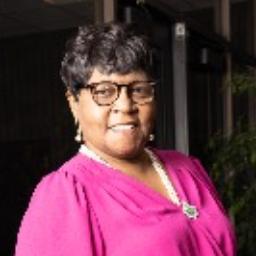
About Nita
Nita Scott is a licensed marriage and family therapist with 30 years of professional experience in Florida. She focuses on helping people facing anxiety, stress, relationship and family conflicts, and other life changes. Her approach emphasizes clear, honest conversation and practical steps people can try between sessions.
She creates a calm, nonjudgmental space where clients can say what they really feel. Sessions center on listening first, then on helping people name patterns that cause pain.
Background and approach
Nita uses proven, evidence-based therapeutic techniques to address issues like depression, grief, trauma, addiction, and caregiving strain. Nita brings decades of hands-on work with people coping with career shifts, parenting strain, blended family concerns, and intimacy challenges. She also supports clients navigating pregnancy and childbirth stress, hospice and end-of-life questions, and multicultural or LGBT concerns.
Her background includes helping those living with bipolar disorder, ADHD, and compassion fatigue. Practical problem solving is part of her style. She helps people set small goals, try new behaviors, and notice what changes.
Counseling often combines conversation with short exercises to practice between meetings. Starting therapy can feel hard, and Nita acknowledges that first step. She works at a steady pace and adjusts to each person's needs.
For people in Florida who want a straightforward, experienced therapist, she offers a respectful place to begin working through anxiety and related concerns.
Evidence-based methods and online sessions
Many evidence-based techniques focus on changing unhelpful patterns and building coping skills. Cognitive approaches help people identify stressful thoughts and try more balanced ways of thinking, which can ease anxiety and depression. Behavioral approaches focus on practicing new actions and routines, useful for managing stress, addictions, and daily functioning.Choosing the right approach happens together. The therapist will talk with the client about goals, symptoms, and what feels most helpful. That collaborative process guides which techniques are used and how fast to move forward.
Online therapy offers several practical benefits. Video calls let people use visual cues and have longer, face-to-face conversations. Phone sessions are helpful when bandwidth is limited or a shorter check-in is needed. Live chat and text messaging work well for brief updates, homework check-ins, and ongoing support between sessions. These options make it easier to fit therapy into busy schedules and to keep momentum between meetings.
Questions people ask
What concerns does she help with?
How would you describe her therapy style?
What is her background and experience?
What credentials and location are listed?
Which languages are supported?
What session formats are available?
How does cost and billing work?
How do I begin working with her?
What this therapist works with
Most often
- Family conflicts
- Intimacy-related issues
Also listed
- Addictions
- ADHD
- Bipolar disorder
- Blended family issues
- Career difficulties
- Coaching
- Compassion fatigue
- Coping with life changes
- Depression
- Grief
- Hospice and end-of-life counseling
- LGBT
- Multicultural concerns
- Parenting issues
- Pregnancy and childbirth
- Relationship issues
- Stress, Anxiety
- Trauma and abuse
- Women's issues
- Experience
- 30 years
- Licensed
- Florida
- Languages
- English
We will earn a commission if you sign up through our link, at no cost to you.