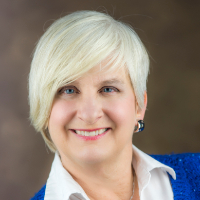
About Nancy
Dr. Nancy Simpson is a clinical psychologist based in South Carolina with two decades of experience. She returned to clinical practice after a long teaching career and now focuses on helping people manage stress, anxiety, mood concerns, and life transitions.
She uses clear, practical methods in sessions. Cognitive Behavioral Therapy (CBT) and Mindfulness Therapy are common tools she offers to reduce anxiety and restore daily functioning. She also draws on psychodynamic and solution-focused ideas when those fit a person’s goals.
Background and approach
Many people come with overlapping concerns such as depression, grief, caregiver stress, or workplace strain. Dr. Simpson works with those topics alongside issues like postpartum mood changes, social anxiety and phobia, and intimacy-related worries.
She also supports people facing aging and geriatric challenges, cancer and hospice-related matters, and caregiving burdens. Her background includes clinical practice in inpatient and outpatient settings and experience with neuropsychological assessment earlier in her career. After years teaching psychology at the community college level she returned to direct clinical work, bringing a patient, respectful style to sessions.
Outside of practice she keeps a hobby farm and enjoys beekeeping, cheese making, spinning and weaving. Her approach is straightforward and warm, aimed at helping people find manageable steps forward and feel more capable in daily life.
Practical approaches for anxiety and life transitions online
Dr. Simpson commonly uses Cognitive Behavioral Therapy and Mindfulness Therapy in online work. CBT focuses on identifying unhelpful thoughts and testing them with small behavioral experiments to reduce anxiety and improve mood. Mindfulness Therapy teaches simple attention and breathing practices to help calm the body and reduce reactivity to stress.Finding the right approach is part of the work together. She will talk with each person about goals and preferences, and then try methods that fit those needs. If one approach isn’t helping, she adjusts the plan collaboratively so progress can be measured in real ways.
Online formats include video calls, phone sessions, live chat, and text-based messaging. Video sessions allow face-to-face conversation and visual cues. Phone sessions can be a good fit when bandwidth is limited or when a shorter check-in is needed. Chat and text messaging provide flexible, ongoing ways to share updates between sessions. These options make it easier to fit therapy around work, caregiving, or travel while keeping care consistent.
Questions people ask
What kinds of concerns does she address?
What is her general therapy style?
What experience does she bring to therapy?
What are her credentials and where is she based?
Which languages are sessions offered in?
What session formats are available?
How are fees and payments handled?
How do I begin working with her?
What this therapist works with
Most often
- Stress, Anxiety
- Parenting issues
- Bipolar disorder
Also listed
- Aging and geriatric issues
- Cancer
- Career difficulties
- Caregiver issues and stress
- Communication problems
- Compassion fatigue
- Coping with life changes
- Depression
- Family conflicts
- Family of origin issues
- Grief
- Hospice and end-of-life counseling
- Intimacy-related issues
- Life purpose
- Midlife crisis
- Mood disorders
- Postpartum depression
- Relationship issues
- Seasonal Affective Disorder (SAD)
- Self esteem
- Social anxiety and phobia
- Traumatic brain injury
- Women's issues
- Workplace issues
Therapeutic approaches
- Experience
- 20 years
- Licensed
- South Carolina
- Languages
- English
We will earn a commission if you sign up through our link, at no cost to you.