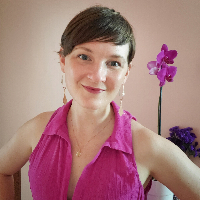
About Moriah
Moriah McCarthy is a licensed mental health counselor (LMHC) who blends practical skills with thoughtful reflection. She frames therapy around everyday challenges and helps people build tools they can use after sessions. Her approach balances insight about the past with steps that move clients forward in daily life.
She draws on Acceptance and Commitment Therapy and mindfulness to help people accept difficult thoughts while choosing actions that match their values.
Background and approach
Client-Centered Therapy shapes how she listens - clients lead the conversation while she offers gentle guidance. Existential ideas and narrative work help people make meaning during transitions and loss. Moriah often focuses on stress and anxiety but also works with depression, bipolar symptoms, grief, trauma and abuse, and addictions.
She helps with relationship struggles, intimacy-related issues, communication problems, and navigating non-monogamous relationships. She also supports people facing parenting strain, career questions, and life-purpose concerns. Sessions mix teaching and practice.
Clients learn skills, try them between sessions, and bring back what worked or didn’t. Moriah encourages responsibility and curiosity, asking for feedback so therapy stays useful and grounded in real life. She brings 11 years of clinical experience in Florida to her practice.
Conversations are straightforward, respectful, and paced to each person’s needs. Moriah invites a collaborative partnership to build more stability and clearer next steps.
Approaches that guide online sessions
Acceptance and Commitment Therapy (ACT) focuses on noticing thoughts and feelings without getting stuck in them, then choosing actions that match what matters most. It can be useful for anxiety, stress, and decisions about life direction. Client-Centered Therapy emphasizes an empathic, nonjudgmental relationship where the client’s perspective leads the work; this helps people feel heard while they sort out goals. Mindfulness Therapy teaches simple attention practices to reduce reactivity and improve sleep, focus, and emotional balance.Choosing the right approach is a collaborative process. The therapist will talk with each person about goals, preferences, and what has or hasn’t helped before. Together they try methods, notice what fits, and adjust the plan as needed so sessions stay practical and relevant.
Online therapy formats include video calls, phone sessions, live chat, and text-based messaging to suit different needs. Video is good when face-to-face interaction matters. Phone can work when bandwidth is limited or a quicker check-in is needed. Live chat and text messaging allow shorter, more frequent contact and can fit into busy days. These options make it easier to keep therapy consistent while balancing work, family, and other responsibilities.
Questions people ask
What kinds of concerns does this therapist address?
What is the general style of therapy?
How much clinical experience does she have?
What credentials and location are listed for this therapist?
Which languages are available for sessions?
In what session formats can I meet with her?
How are sessions paid for and what do they cost?
What steps begin the process of working together?
What this therapist works with
Most often
- Stress, Anxiety
- LGBT
- Relationship issues
Also listed
- Addictions
- ADHD
- Bipolar disorder
- Career difficulties
- Coaching
- Communication problems
- Compassion fatigue
- Coping with life changes
- Depression
- Divorce and separation
- Family conflicts
- Forgiveness
- Grief
- Guilt and shame
- Intimacy-related issues
- Life purpose
- Parenting issues
- Polyamory / non-monogamous relationships
- Self esteem
- Sleeping disorders
- Trauma and abuse
- Women's issues
Therapeutic approaches
- Experience
- 11 years
- Licensed
- Florida
- Languages
- English
We will earn a commission if you sign up through our link, at no cost to you.