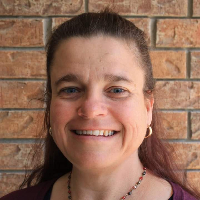
About Michelle
Dr. Michelle Dobson is a Licensed Professional Counselor who centers therapy on relationships and practical skills. She uses clear, direct approaches to help people manage anxiety, stress, depression, and life transitions.
Her tone is warm and goal-focused, and she aims to help clients build stronger communication and problem solving skills. With ten years of experience, she combines attention to past experiences with a forward-looking plan. Sessions focus on setting realistic goals and finding the personal strengths needed to reach them.
Background and approach
This approach helps people move from feeling stuck to taking small, steady steps forward. She draws on attachment-based ideas to understand how early relationships influence current patterns. That perspective pairs with cognitive behavioral techniques to change unhelpful thoughts and behaviors.
Mindfulness and motivational interviewing are used when clients want tools for managing stress and staying motivated. Her work includes support for parenting questions, relationship and family concerns, grief, trauma and mood issues like bipolar and depression. She also assists people struggling with self-esteem, anger, ADHD-related challenges, and life purpose questions.
Practical communication skills are a common focus in sessions. Dr. Dobson practices in Arkansas and works in English.
She offers a mix of session styles so clients can choose what fits their schedule and needs. The first steps are a brief matching questionnaire and scheduling a session to begin collaborative goal setting.
How her approaches work in online therapy
Attachment-Based Therapy looks at how early relationships shape current patterns. In online sessions this helps identify how attachment styles affect anxiety, intimacy, and communication. Cognitive Behavioral Therapy, or CBT, focuses on practical skills to change unhelpful thoughts and behaviors. It is useful for anxiety, depression, and stress and often includes exercises and short assignments you can do between sessions.Finding the right approach is a collaborative process. The therapist will talk with the client about their goals, preferences, and how they respond to different techniques. Together they will try methods that fit the person's pace and adjust as needed to find what helps most.
Online options include video calls, phone sessions, live chat, and text-based messaging. Video calls allow face-to-face conversation and longer work on skills. Phone sessions can be easier when bandwidth is limited or when someone prefers not to be on camera. Live chat and text messaging work well for quick check-ins, short coaching-style guidance, or when a client wants written reflections between sessions. These formats make scheduling more flexible and help therapy fit into busy lives.
Questions people ask
What concerns does she address?
What is her therapeutic style?
What experience does she bring?
What credentials and location are listed?
Which languages are supported and can she work internationally?
What session formats are available?
How are costs handled?
How do I begin working with her?
What this therapist works with
Most often
- Stress, Anxiety
- Parenting issues
- Self esteem
Also listed
- Abandonment
- ADHD
- Anger management
- Attachment issues
- Bipolar disorder
- Blended family issues
- Career difficulties
- Caregiver issues and stress
- Coaching
- Communication problems
- Compassion fatigue
- Coping with life changes
- Depression
- Family conflicts
- Family problems
- Forgiveness
- Grief
- Guilt and shame
- Hoarding
- Impulsivity
- Intimacy-related issues
- Isolation / loneliness
- Life purpose
- Mood disorders
- Relationship issues
- Trauma and abuse
- Veteran and Armed Forces Issues
- Young adult issues
Therapeutic approaches
- Experience
- 10 years
- Licensed
- Arkansas
- Languages
- English
We will earn a commission if you sign up through our link, at no cost to you.