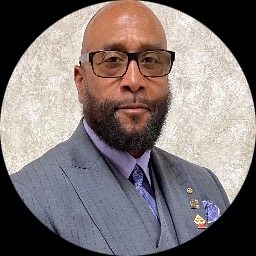
About Michael
Michael Tucker is a licensed mental health professional in Michigan with 33 years of experience. He approaches therapy believing each person knows their story best and has strengths to draw on. He encourages small steps and offers steady support as people work toward more satisfying, less stressful days.
He uses straightforward, conversation-based methods. Sessions focus on what is happening now and on practical ways to manage stress, anxiety, anger, and low self-esteem.
Background and approach
He also addresses mood concerns such as depression and bipolar disorder with attention to day-to-day problems and coping strategies. Therapy often includes learning new ways to think about difficult situations and practicing skills to handle strong emotions. Cognitive Behavioral Therapy helps change unhelpful thought patterns and behaviors.
Dialectical Behavior Therapy provides tools for emotion regulation and distress tolerance when feelings feel overwhelming. Client-Centered Therapy is part of his approach too, offering a respectful space where a person’s own goals guide the work. Motivational Interviewing can help when someone is unsure about change or struggling with addiction or motivation.
Sessions are conversational and practical. Michael helps people break problems into manageable parts, try small changes, and notice what helps. He draws on long experience to tailor approaches to each person’s needs and goals.
Practical therapy approaches delivered online
Client-Centered Therapy focuses on listening and following a person’s goals, offering a respectful space where the client’s priorities shape each session. Cognitive Behavioral Therapy (CBT) looks at the links between thoughts, feelings, and actions and teaches concrete skills to reduce anxiety and depression. Dialectical Behavior Therapy (DBT) adds specific tools for managing strong emotions and reducing impulsive reactions, which can help with anger, self-control, and moments of crisis.Finding the right fit is part of the work. The therapist will talk with the person about their concerns, try approaches that match those goals, and adjust methods if something is not helping. This collaborative process means the plan can change based on what the client finds useful.
Online formats include video calls, phone sessions, live chat, and text-based messaging to make therapy more flexible. Video calls let people talk face-to-face when that matters. Phone sessions use less bandwidth and can fit into a shorter break. Live chat and text messaging are useful for brief check-ins, practicing skills between sessions, or when typing feels easier than talking. These options make it simpler to keep continuity of care and to fit sessions into a busy life.
Questions people ask
What concerns does Michael focus on?
What is his general therapy style?
How much experience does he have?
What credentials and location are listed?
Which languages and international clients are supported?
What session formats are available?
How does cost and billing work?
How do I begin working with him?
What this therapist works with
Most often
- Stress, Anxiety
- Anger management
- Self esteem
Also listed
- Aging and geriatric issues
- Antisocial personality
- Bipolar disorder
- Codependency
- Communication problems
- Control issues
- Depression
- Drug and alcohol addiction
- Emptiness
- Fatherhood issues
- Guilt and shame
- Impulsivity
- Isolation / loneliness
- Jealousy
- Life purpose
- Men's issues
- Mood disorders
- Multicultural concerns
- Obsessions, compulsions, and OCD
- Panic disorder and panic attacks
- Paranoia
- Personality disorders
- Post-traumatic stress
- Prejudice and discrimination
- Process addiction (porn, exercise, gambling)
- Seasonal Affective Disorder (SAD)
- Social anxiety and phobia
- Veteran and Armed Forces Issues
- Workplace issues
- Young adult issues
Therapeutic approaches
- Experience
- 33 years
- Licensed
- Michigan
- Languages
- English
We will earn a commission if you sign up through our link, at no cost to you.