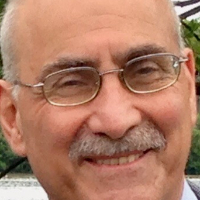
About Michael
Michael Ruberton is a Licensed Clinical Social Worker with 40 years of practice. He offers calm, practical care for people coping with stress, anxiety, depression, trauma, and related concerns. His style centers on listening first and letting the client guide the pace of work.
He has worked in offices, in homes, and in institutional settings. That experience includes individual, family, and group counseling and work with people affected by trauma and abuse.
Background and approach
He also has experience addressing mood disorders and addiction issues. In sessions he blends client-centered listening with cognitive behavioral techniques. He uses motivational interviewing to help people clarify what they want to change and to build steps toward those goals.
He aims to create space for people to set their own agenda and practice new responses to old problems. Michael pays special attention to practical problems such as coping with life changes, anger, low self-esteem, relationship strain, grief, and intimacy-related challenges. He also works with concerns like ADHD, bipolar disorder, and self-harm in the context of ongoing counseling.
People who prefer straightforward conversation and clear steps may find his approach useful. He brings long experience and a steady manner to sessions, while helping people identify small, manageable actions that move them forward.
Therapeutic approaches that translate well online
Client-Centered Therapy focuses on listening with respect and following the client’s lead. This approach helps people feel heard and decide what matters most to them before moving toward change.Cognitive Behavioral Therapy (CBT) looks at how thoughts, feelings, and behaviors interact and teaches practical skills to change unhelpful patterns. It is often used for anxiety, depression, and stress-related problems where concrete techniques and homework can make a difference.
Finding the right approach is part of working together. The therapist collaborates with each person to match methods to their needs, goals, and preferences. Sessions may shift between gentle listening, skill-building, and short action plans depending on what is most helpful.
Online therapy with video calls, phone sessions, live chat, or text messaging gives flexibility for busy schedules and different comfort levels. Video works well for deeper conversations and practicing skills, phone can be easier when bandwidth is limited, and chat or text are useful for brief check-ins or when someone prefers not to be on camera. These options make it easier to continue work during life changes and maintain momentum between sessions.
Questions people ask
What kinds of problems does he address?
How would you describe his therapy style?
How long has he worked in this field?
Where is he licensed and practicing?
Can I work with him in another language?
What session formats are available?
How does pricing work?
How do I begin a therapy match?
What this therapist works with
Most often
- Stress, Anxiety
- Trauma and abuse
- Anger management
Also listed
- Addictions
- ADHD
- Aging and geriatric issues
- Antisocial personality
- Bipolar disorder
- Codependency
- Coping with life changes
- Depression
- Family conflicts
- Family of origin issues
- Family problems
- Grief
- Intimacy-related issues
- Men's issues
- Mood disorders
- Relationship issues
- Self esteem
- Self-harm
- Sexual assault and abuse
Therapeutic approaches
- Experience
- 40 years
- Licensed
- Missouri
- Languages
- English
We will earn a commission if you sign up through our link, at no cost to you.