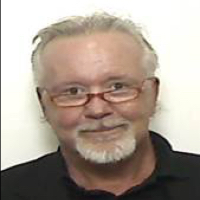
About Michael
Michael Booth is a Licensed Marriage and Family Therapist who brings 25 years of clinical experience to his work in California. He focuses on helping people whose daily life has been disrupted by stress, anxiety, depression, addiction, or struggles with meaning and purpose. Michael uses straightforward language and a steady presence to help clients feel seen and heard.
He listens first, then builds a plan together with each person. Sessions emphasize practical steps to reduce distress and improve day-to-day functioning.
Background and approach
He blends behavioral tools with reflective conversation so clients gain both skills and insight. Michael draws on cognitive behavioral therapy to reshape unhelpful thoughts and actions. He also uses acceptance and commitment therapy to help people notice what matters most and commit to small changes.
Dialectical behavior therapy skills are offered when emotion regulation and distress tolerance are needed. His approach is collaborative and paced to each person's needs. He pays attention to family of origin issues, attachment concerns, and patterns such as avoidance or compulsive behaviors.
Michael also works with people facing grief, relationship strain, career transitions, and identity matters including LGBT concerns. Sessions can include practical homework, brief skills coaching, and tracking progress over time. He aims to make therapy approachable and concrete so people can use what they learn between sessions.
Michael welcomes conversation about goals and how therapy might fit into a client’s life.
Therapeutic approaches and online care
Michael often uses cognitive behavioral therapy to help people notice and change unhelpful thought and behavior patterns; this approach is practical and useful for anxiety, panic, and low mood. He also works with acceptance and commitment therapy which focuses on clarifying values and taking small committed actions even when difficult feelings remain. Dialectical behavior therapy skills are offered when emotional regulation, distress tolerance, or interpersonal effectiveness are needed.Finding the right approach is a collaborative process. The therapist will listen to your concerns, discuss options, and together decide which methods fit your goals and preferences. That can mean trying a skill-based plan one month and shifting focus the next as needs change.
Online sessions are offered by video call, phone, live chat, or text-based messaging to give practical flexibility. Video is useful for deeper conversation and skills coaching, phone can work when bandwidth is limited, and text or chat can support brief check-ins or homework between sessions. These options make it easier to fit therapy into a busy schedule and to continue work consistently over time.
Questions people ask
What concerns does Michael commonly address?
What is Michael's therapeutic style like?
How much clinical experience does he have?
Where is Michael licensed and practicing?
Which languages are supported for sessions?
What session formats are available?
How does pricing and payment work?
How do I begin working with him?
What this therapist works with
Most often
- Stress, Anxiety
- Addictions
- Anger management
Also listed
- ADHD
- Attachment issues
- Avoidant personality
- Bipolar disorder
- Career difficulties
- Co-morbidity
- Commitment issues
- Coping with life changes
- Depression
- Drug and alcohol addiction
- Emptiness
- Family conflicts
- Family of origin issues
- Grief
- Guilt and shame
- Infidelity
- Intimacy-related issues
- Isolation / loneliness
- LGBT
- Life purpose
- Panic disorder and panic attacks
- Paranoia
- Parenting issues
- Process addiction (porn, exercise, gambling)
- Relationship issues
- Self esteem
- Sex addiction
- Social anxiety and phobia
- Trauma and abuse
- Veteran and Armed Forces Issues
- Young adult issues
Therapeutic approaches
- Experience
- 25 years
- Licensed
- California
- Languages
- English
We will earn a commission if you sign up through our link, at no cost to you.