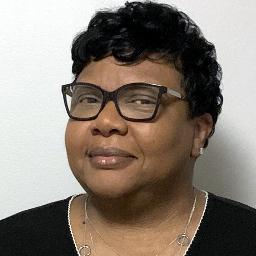
About Melanie
Melanie Walton is a Licensed Professional Counselor (LPC) based in Alabama with 23 years of experience. She has long wanted to help people and brings that commitment into sessions with a straightforward, interactive style. Her work often addresses anxiety along with stress, addiction, depression, trauma, grief, and relationship concerns.
She aims to build a working relationship within the first few weeks. Sessions are direct and practical. Melanie treats people with respect, compassion, and genuineness while matching methods to each person’s needs.
Background and approach
Her approach draws on tools from cognitive behavioral therapy, acceptance and commitment therapy, dialectical behavior therapy, attachment-based work, and client-centered care. She selects strategies that fit a person’s strengths and everyday life. Goals and steps are written to be realistic and useful.
Melanie helps people talk through parenting and co-parenting struggles, anger, intimacy-related issues, eating concerns, and the impacts of trauma and abuse. She also supports those coping with life changes, compassion fatigue, and ADHD-related challenges. She encourages people to take steady steps toward a more satisfying life.
Sessions combine practical skills with honest conversation. If someone is ready to change, Melanie’s starting question is simple: How can I help?
Approaches that guide online sessions
Acceptance and Commitment Therapy, or ACT, focuses on helping people notice difficult thoughts and feelings without letting them take over. It encourages choosing actions that fit personal values and can help with anxiety, depression, and coping with life changes.Cognitive Behavioral Therapy, or CBT, looks at how thoughts, feelings, and behaviors connect. It uses practical exercises to change unhelpful thinking and teach new coping skills, which often helps with anxiety, stress, and mood concerns.
Attachment-Based Therapy pays attention to patterns in close relationships and how early connections shape current trust and intimacy. It can be useful for people dealing with relationship struggles or intimacy-related issues.
Finding the right approach is part of the work together. The therapist will listen to goals, try methods that match needs, and adjust the plan based on what helps. This is a collaborative process where the person’s preferences guide choices.
Online sessions are offered by video calls, phone, live chat, or text-based messaging to fit different routines. Video is useful for deeper conversations and skill work. Phone sessions work well when bandwidth is limited or a shorter check-in is needed. Live chat and texting let people share thoughts between calls or use brief check-ins during busy days. These options aim to make consistent care easier to fit into real life.
Questions people ask
What concerns does this therapist address?
How would you describe the therapy style?
What is her professional background?
Where is the therapist located and licensed?
Which languages are supported for sessions?
Can international clients work with this therapist?
What session formats are available online?
How does billing and getting started work?
What this therapist works with
Most often
- Stress, Anxiety
- Addictions
- Relationship issues
Also listed
- ADHD
- Anger management
- Coaching
- Compassion fatigue
- Coping with life changes
- Depression
- Eating disorders
- Family conflicts
- Grief
- Intimacy-related issues
- Parenting issues
- Self esteem
- Trauma and abuse
Therapeutic approaches
- Acceptance and Commitment Therapy (ACT)
- Attachment-Based Therapy
- Client-Centered Therapy
- Cognitive Behavioral Therapy (CBT)
- Dialectical Behavior Therapy (DBT)
- Emotionally-Focused Therapy (EFT)
- Mindfulness Therapy
- Motivational Interviewing
- Narrative Therapy
- Psychodynamic Therapy
- Solution-Focused Therapy
- Trauma-Focused Therapy
- Experience
- 23 years
- Licensed
- Alabama
- Languages
- English
We will earn a commission if you sign up through our link, at no cost to you.