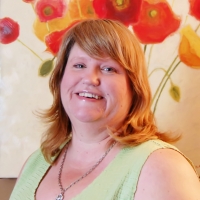
About Mary
Mary Jennifer Meister is a licensed clinical social worker with 17 years of experience. She combines a warm, down-to-earth style with practical tools to help people facing anxiety, stress, grief, trauma, and life transitions. Her approach is conversational and straightforward, focused on small changes that make daily life easier.
Mary uses client-centered work to make space for each person’s story. She draws on cognitive behavioral strategies to identify thinking patterns that increase worry and stress.
Background and approach
When trauma is a central concern, she may integrate EMDR to help reduce intense reactions and old memories that keep showing up. Sessions tend to be collaborative and goal-focused. The therapist listens first, then works with each person to build steps that feel achievable.
Expect plain language, honest feedback, and practical suggestions you can try between meetings. Mary has helped people with relationship friction, parenting strain, career crossroads, mood disorders, and caregiving stress. She also supports those dealing with grief, health-related challenges, and issues tied to family of origin or attachment concerns.
Telehealth options include video, phone, live chat, and text-based messaging. People who live in or outside Illinois may work with her in English. To begin, users complete a short matching questionnaire and schedule sessions once a good fit is identified.
How therapy methods translate to online care
Mary often blends client-centered work with cognitive behavioral strategies and EMDR to address anxiety, trauma, and life transitions. Client-centered work means sessions start with listening and reflecting so each person feels understood and can shape the goals. Cognitive behavioral therapy focuses on identifying unhelpful thoughts and trying small behavior changes that reduce worry and improve daily functioning. EMDR is used when past distressing memories or intense triggers keep coming up; it helps people process those memories so reactions lessen over time.Choosing the right approach is a team effort. The therapist will talk through options and try methods that match a person’s needs, goals, and preferences. That collaborative process can include trying CBT exercises for a few sessions or adding EMDR if trauma processing looks useful, with regular check-ins about how each step feels.
Online sessions are offered by video calls, phone sessions, live chat, or text-based messaging to increase flexibility. Video works well for deeper conversations and visual cues, phone calls can be a simpler way to check in, live chat supports shorter check-ins, and text messaging lets people share brief updates or continue work between sessions. These formats make it easier to fit therapy into busy lives and keep continuity when schedules or locations change.
Questions people ask
What concerns does she help with?
How would you describe her therapy style?
What is her background and experience?
Where is she licensed and based?
Which languages are supported for sessions?
What session formats are available?
How does billing and cost work?
What steps are needed to get started?
What this therapist works with
Most often
Also listed
- Abandonment
- Aging and geriatric issues
- Attachment issues
- Bipolar disorder
- Blended family issues
- Cancer
- Career difficulties
- Caregiver issues and stress
- Coaching
- Codependency
- Communication problems
- Compassion fatigue
- Depression
- Divorce and separation
- Family conflicts
- Family of origin issues
- Family problems
- Grief
- Hospice and end-of-life counseling
- Life purpose
- Mood disorders
- Parenting issues
- Personality disorders
- Post-traumatic stress
- Prejudice and discrimination
- Relationship issues
- Self esteem
- Sexual assault and abuse
- Stress, Anxiety
- Workplace issues
- Young adult issues
Therapeutic approaches
- Experience
- 17 years
- Licensed
- Illinois
- Languages
- English
We will earn a commission if you sign up through our link, at no cost to you.