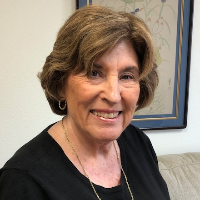
About Mary
Dr. Mary Cotten is a Texas psychologist who helps people manage anxiety, stress, depression, relationship strain, and life changes. She brings three decades of experience and a calm, straightforward style to sessions.
She listens closely and works with each person to set practical goals they can try between appointments. Dr. Cotten uses Cognitive Behavioral Therapy, or CBT, to help people see and change the thought patterns that get in the way of feeling better.
Background and approach
In sessions she identifies unhelpful thinking, tests those thoughts against real situations, and builds new habits for handling stress and difficult emotions. People who come for help often want clearer coping plans for anxiety, grief, addiction, or career stress. She also supports those dealing with family of origin issues, intimacy concerns, compassion fatigue, and post-traumatic stress.
Her approach is direct and non-judgmental, with an emphasis on practical steps people can use right away. Dr. Cotten prefers video sessions so she can interact visually and verbally, but she also offers phone, live chat, and text-based messaging for convenience.
Appointments can be arranged during business hours and some evenings. She holds psychologist licenses in Texas and New Mexico and has worked for 30 years with adults facing a wide range of emotional and life challenges. New connections start with a short matching questionnaire and scheduling to find a good fit.
Approaches for online anxiety and life change work
Dr. Cotten uses Cognitive Behavioral Therapy, commonly called CBT, which focuses on spotting unhelpful thoughts and testing them against real-life evidence. CBT helps people with anxiety, depression, compulsive behaviors, and stress by teaching new thinking and coping skills.Her sessions emphasize practical exercises and homework between meetings. That means clients practice new responses to worry, mood shifts, and relationship patterns and bring results back to discuss. She works together with each person to choose which techniques fit their goals and daily life rather than imposing a single method.
Online sessions are offered by video calls, phone, live chat, or text-based messaging to make therapy more flexible. Video is preferred to build rapport and read nonverbal cues, while phone can be easier when internet bandwidth is low. Live chat and text messaging allow quick check-ins or brief skill coaching during busy days.
Finding the right approach is a collaborative process. The therapist and client review how techniques are working, adjust goals, and try alternatives until the best fit is found. Online formats make it easier to attend regularly and practice skills where life happens.
Questions people ask
What concerns does she help with?
What is her therapeutic style like?
How much experience does she have?
What credentials and location apply?
Which languages are supported?
What session formats are available?
How does payment and cost work?
How do I begin working with her?
What this therapist works with
Most often
- Stress, Anxiety
- Relationship issues
- Family conflicts
Also listed
- Addictions
- ADHD
- Aging and geriatric issues
- Bipolar disorder
- Career difficulties
- Codependency
- Compassion fatigue
- Control issues
- Coping with life changes
- Depression
- Divorce and separation
- Family of origin issues
- Grief
- Intimacy-related issues
- Post-traumatic stress
- Self esteem
- Trauma and abuse
- Women's issues
- Workplace issues
Therapeutic approaches
- Experience
- 30 years
- Licensed
- Texas, New Mexico
- Languages
- English
We will earn a commission if you sign up through our link, at no cost to you.